

Experience CampsWestport, ConnecticutSixteen camps in eight statesFounded 2009
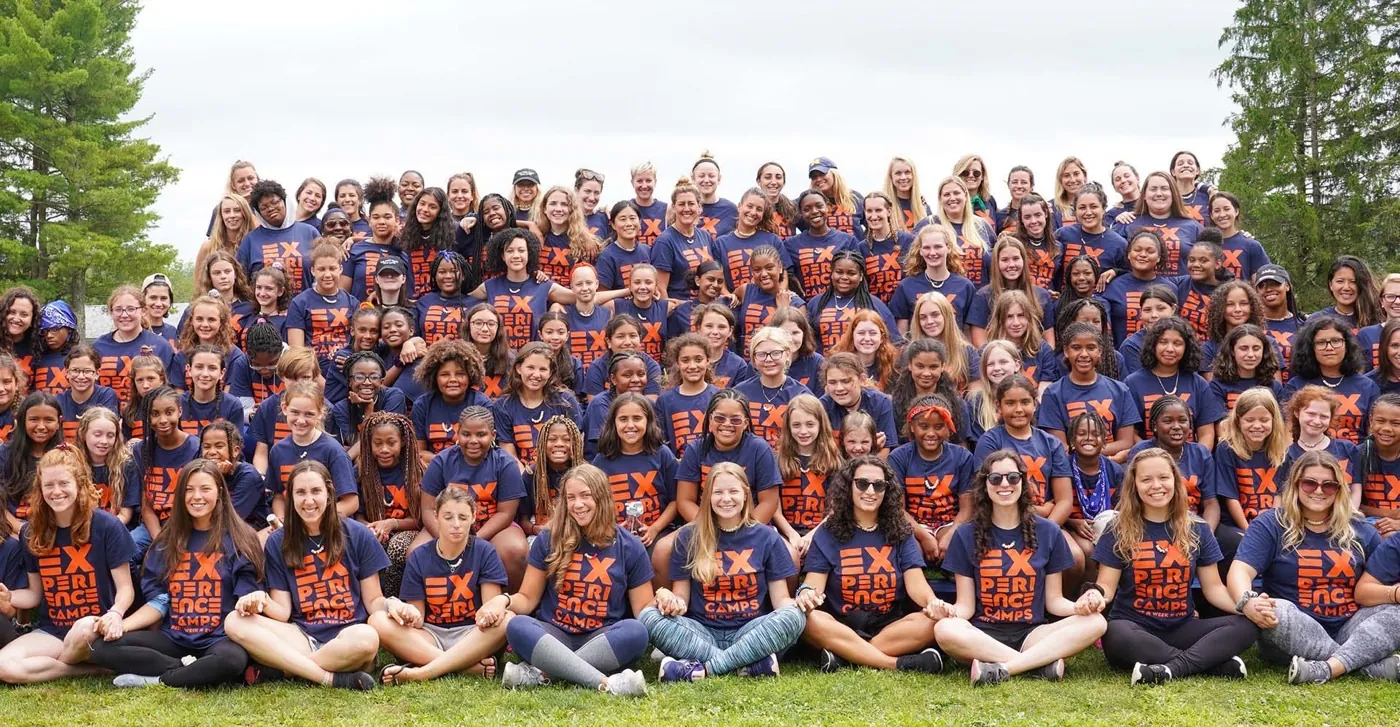
One in five children will experience the death of a parent, a sibling, or someone close to them before they turn eighteen. Experience Camps exists so that, for one week a year, none of them has to be the only kid in the room who has been through it. Since 2009 they have run free overnight camps for grieving children and teens, and the mission fits in one sentence:
“We give children experiences that change their lives forever.”
The week looks like camp because it is camp: swimming, ropes courses, s’mores, campfires. Underneath it, licensed clinicians and trained volunteers make room for the hard stuff, and the kids find out they are not alone in it. The most common thing caregivers hear on the drive home: “When can I come back?”
Most people know the camps. Fewer know how much of the year the rest of the work covers.
GRIEF SUCKS, their platform designed by teens, for teens, promises in their own words to “make it suck less.” Most organizations would call that off-brand. They call it reaching the kid who would never walk into a support group.
More than a thousand volunteers gave up a week of summer this year, and nearly seven in ten of them had done it before. That does not happen by accident. It happens when an organization treats the people who show up as the program, not the staffing.
Experience Camps holds the kind of information about children that deserves real care, and the people we met carried that weight without being asked to. The first hard line their leadership drew on new technology was not about cost. It was that no AI would ever talk to a camper directly.
Demand for grief camps has grown five hundred percent in five years, and Experience Camps grew with it: new camps, new states, new programs, and new tools along the way. In the spring of 2026, with a managed IT provider coming on board, Elena Soderblom put out a request that was careful to say what it was not.
Department leads wrote out how their work moves ahead of their interviews, so by the time we sat down there was no warm-up. Development, strategy, marketing, programs, innovation, people operations, and finance each gave us an hour, and they gave it candidly. Nobody sold us on a tool. Everybody described a Tuesday.
Then there was Tommy O’Neil, thirty days into a new job when we met him and already keeping a running list of what was hard to find and what took too many steps, which is exactly the list we hoped to build. When the deliverables landed, he and Elena went through the quick wins line by line, set their own owners and dates, and put it on the leadership agenda for October. We wrote the plan. They made it theirs inside a month.
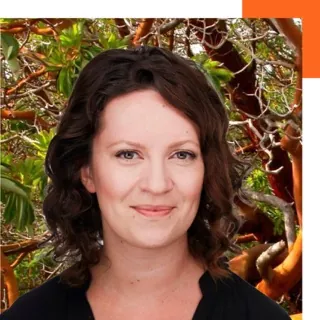
Wrote the request, ran the process, and held the whole picture in her head. Steward of the people and the money, in her own words, and the reason the work was strategic rather than technical.
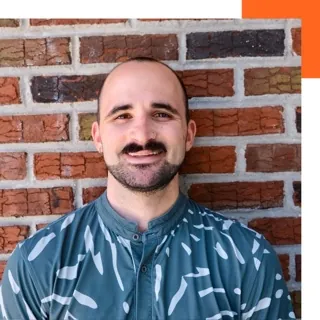
Thirty days into the job when we met, and already the person who would turn a set of documents into a working plan. If you want to know what happened after we left, ask Tommy.
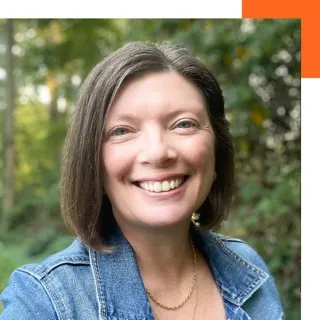
Took the first interview on the calendar and set the tone for everyone after her: honest about the strategy, and clear about where the organization is going.
Our thanks as well to Sara Deren, who gave us the founder’s view of where all of this is going, and to Thomas DiGuglielmo, Margo Karp, Jesse Moss, Carly Basile, Carla Giorgio, Ashley Laughlin, and Ryan Jepsen, who each sat down with us and told us how the work really happens.
The roadmap is sequenced around the camp season, so that change lands in the quiet months and never in the week that matters most.
The details of the plan belong to Experience Camps.

For choosing to look while you were growing, for the candor in every interview, and for making the plan your own before the month was out. It was a pleasure from start to finish, and we will be cheering from the sidelines when applications open in November.
Every link here goes to Experience Camps. That is the point of the page.
Get Scottship’s research in your Google results