
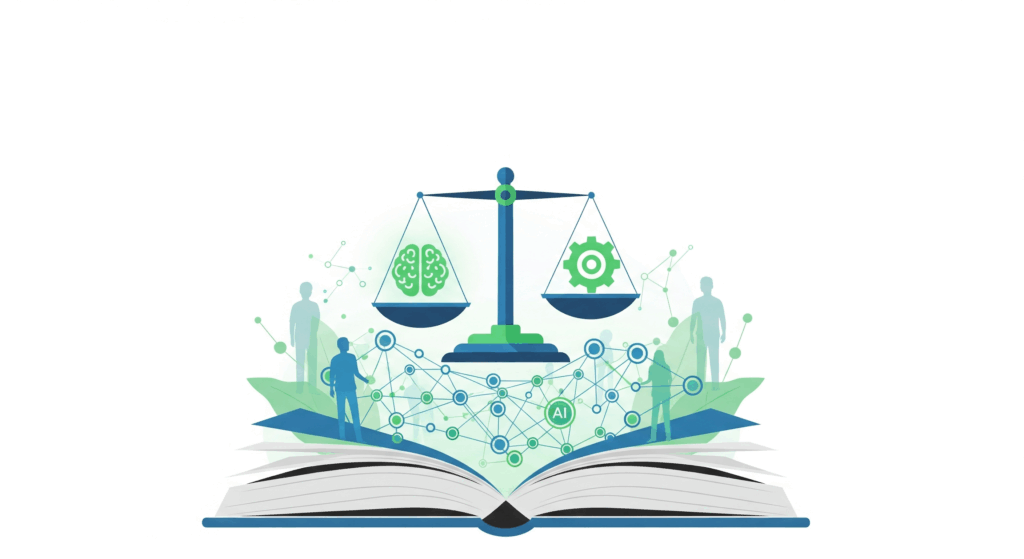
Introduction: The Promise and Peril of AI for Nonprofits
AI is no longer a concept of the future, it’s a reality that’s changing how we work, live and interact. For nonprofits, the rise of AI presents a world of opportunity. It offers tools to automate administrative burdens, unlock insights from data and connect with donors in ways never before possible. But with this promise comes a set of big questions. How can a nonprofit use AI responsibly? What are the ethics of using this technology especially when dealing with donor and beneficiary data? And how can an organization on a tight budget even start to sort through these choices? AI tools change constantly, and that change brings the risk of misuse, so nonprofits need to stay informed and cautious.
Today, nonprofit AI and innovative technologies are transforming the sector, enabling more nonprofits to amplify their missions and create more value. As more nonprofits adopt these solutions, they are finding new ways to integrate AI into nonprofit work, driving efficiency and impact. As of 2025, over half of nonprofits have incorporated AI into their communications, that’s how much nonprofits are relying on these tools to advance their missions. See how AI advances your organization’s mission and maximizes your impact.
At Scottship Solutions, we believe AI for nonprofits is a force for good. We provide strategic technology consulting and managed IT services to mission driven organizations to use technology responsibly. This guide will be your roadmap, demystifying the ethics of AI, exploring the practical applications and providing a framework to create a technology strategy that’s innovative and aligned to your mission. Legal limits on AI use set a minimum threshold of acceptability, while ethical AI provides policies that exceed that minimum so nonprofits can maintain trust and integrity.
Section 1: AI, Not a Villain: Defining the Ethical ImperativesBefore we get into the “how,” we need to address the “should.”
The ethical use of AI is not just a best practice; it’s a fundamental component of maintaining the trust that’s the lifeblood of every nonprofit. A lack of ethical oversight can lead to biased outcomes, privacy breaches and loss of public confidence that can be catastrophic. Nonprofit teams play a key role in upholding these ethical standards and responsible AI implementation. To use AI ethically, organizations need specific policies that are actively enforced, a framework for accountability and trust.
1. Transparency and Accountability:
AI systems should be transparent in their operations and decision making. Nonprofits must be able to explain how and why AI driven decisions are made especially when they impact donors, beneficiaries or staff. Designate a staff member to be responsible for oversight of AI decisions so there is always human accountability.
2. Bias and Fairness:
AI tools must be designed and monitored to avoid perpetuating or amplifying biases. This includes ensuring the specific needs of your organization and its beneficiaries are considered when implementing AI solutions. Also consider the interest of donors and beneficiaries to avoid bias in data analysis and decision making. Regular audits and diverse data sets are key to fairness and equity.
The Three Core Principles of Ethical AI for Nonprofits
- Transparency and Accountability: Nonprofits have a fiduciary duty to their donors and beneficiaries. You must be transparent about how you use AI. This means clearly communicating when and how AI is being used in your processes. If an AI tool makes a decision, such as flagging a grant application for review, you must be able to explain how that decision was made and who is ultimately accountable for the outcome. A strong ethical framework includes a clear understanding of the AI’s limitations and a process for human oversight.
- Bias and Fairness: AI models are only as good as the data they are trained on. If that data is biased, the AI’s decisions will also be biased, potentially leading to unfair or inequitable outcomes. For a nonprofit, this is an existential risk. Using an AI tool to predict donor behavior for example could inadvertently focus on one demographic while ignoring others, reinforcing existing inequities. You must audit your data for bias and choose AI tools that prioritize fairness and equity.
- Data Privacy and Security: Using AI often requires access to large datasets including sensitive information. As a nonprofit, protecting this data is non-negotiable. You must ensure any AI tools you use have robust security protocols and their use complies with all relevant data privacy regulations. This means being explicit about how donor data is collected, stored and used, giving donors control over their information and ensuring AI tools are not using data for purposes other than what they were intended for.
Section 2: Generative AI
What is Generative AI?
Generative AI is a cutting edge branch of artificial intelligence that enables machines to create new content, whether text, images or even videos, by learning from existing data. In the nonprofit sector this technology is opening up exciting possibilities for organizations of all sizes. Nonprofit professionals can now use generative AI tools to streamline content creation from drafting website copy and social media posts to composing personalized email campaigns. By automating these routine tasks your team can focus more energy on strategic initiatives that drive your mission forward. For example an organization might use generative AI to craft tailored letters to potential donors making outreach more personal and effective. Tools like ChatGPT and Google’s Gemini which are free can be particularly useful for ideation and content generation making these capabilities accessible to nonprofits of all sizes. As these AI tools become more accessible they are changing how nonprofits communicate, engage and inspire their communities.
Opportunities and Risks for Nonprofits
The adoption of generative AI in the nonprofit sector brings many opportunities but it also requires a thoughtful approach to responsible AI use. On the opportunity side generative AI optimizes marketing efforts, boosts engagement with supporters and enhances overall social impact for nonprofits. By using generative AI organizations can create content at scale, personalize communications and reach new audiences more effectively. However these benefits come with important considerations. Nonprofits must be vigilant about data privacy ensuring sensitive information is protected and used ethically. There is also the risk of bias in AI generated content which can inadvertently affect messaging or outreach. To truly put generative AI nonprofits should establish clear guidelines for responsible AI use aligning technology adoption with their core values and mission. This balanced approach enables organizations to drive impact while maintaining trust and integrity.
Real-World Examples in the Social SectorAcross the social sector many nonprofits are already using generative AI to advance their work. For example some organizations use generative AI to develop personalized fundraising campaigns, automatically generating content that resonates with different donor segments. Others use AI tools to create social media posts helping them reach and inspire a broader audience. Generative AI is also being used to analyze large datasets enabling nonprofits to identify trends and make data driven decisions about their programs and services. For example one nonprofit used generative AI to sift through donor data and pinpoint individuals with the potential to become major supporters resulting in a significant boost to their fundraising efforts. DonorSearch AI for instance builds predictive models by analyzing nonprofit data and donor characteristics further enhancing fundraising strategies. These real-world examples show how generative AI generates content, identifies opportunities and maximizes impact for organizations.
Section 2: Beyond the Hype: Practical AI Applications for Nonprofits
AI is not just for the tech giants. An AI platform offers nonprofits an integrated solution that uses artificial intelligence to enhance donor engagement, streamline workflows and improve fundraising outcomes. There are dozens of practical applications that nonprofit AI tools can use today to increase efficiency and impact including nonprofit AI tools designed specifically to address nonprofit challenges. AI powered systems can automate administrative and operational tasks so your staff can focus on mission critical work. Plus nonprofits can access a variety of AI resources, free tools, support materials and guidelines, to further boost fundraising, marketing and program management. Tools like ClickUp AI manage tasks by connecting people and documentation, streamlining operations further. These tools let your team do more with less, so it can focus on what matters most.
1. Streamlining Administrative Tasks
Repetitive manual tasks are a major time sink for any organization. AI and automation can be a powerful solution.
- Automated Data Entry: Tools can automatically extract information from documents, receipts and forms saving hours of manual data entry.
- AI-Powered Chatbots: A chatbot on your website can handle common inquiries from donation questions to volunteer sign ups providing 24/7 support without human intervention.
- Workflow Automation: AI can automate routine workflows such as sending thank you emails to new donors or flagging urgent inquiries for a team member to review.Fundraising is the lifeblood of your organization, and AI does it better.
- Predictive Analytics: AI models can analyze your donor data to predict who will give again, who is ready for a major gift or who is at risk of lapping. This allows your development team to personalize their outreach and focus on the right people at the right time.
- Personalized Communication: AI tools segment your donor base and craft personalized emails, social media messages and outreach materials that resonate with individual donors, increasing engagement and fundraising success.
- AI for Grant Research: AI powered tools find grant opportunities by analyzing your mission and priorities against a vast database of funders, saving you hours of manual research.
3. Mission Delivery and Impact Measurement
AI can also be used to improve your programs and measure your impact.
- Data Analysis: AI can analyze large unstructured datasets (e.g. survey responses, social media comments) to identify trends, measure sentiment and gain deeper insights into your community.
- Impact Reporting: AI can automate the process of collecting data and generating reports on your programs so you can show your impact to donors, funders and the public.
- AI for Social Media: AI powered tools analyze social media trends, automate content scheduling and identify key influencers to amplify your message and reach a wider audience.
Section 4: Data Privacy
Data Protection Laws
As nonprofits adopt AI to enhance their work data protection laws become more important. Nonprofit professionals must ensure their organization’s use of AI powered tools complies with laws governing the collection, storage and analysis of sensitive donor data. This means having robust data privacy policies, being transparent about how data is collected and used and obtaining explicit consent from donors when required. By prioritizing data privacy nonprofits not only protect their stakeholders but also build trust and credibility within their community. AI can integrate data from multiple sources to ensure donor information is accurate and up to date supporting more effective engagement and reporting. AI algorithms can also flag unusual financial activity to enhance financial oversight and compliance with ethical and legal standards. Ultimately a commitment to data privacy allows nonprofits to maximize their social impact while upholding the ethical standards that are core to their mission.
Section 3: The Technology Behind It: Building a Smart and Secure Infrastructure with AI is not a one time project it’s a journey. To get there you need a strong, secure and modern IT foundation. That’s where a strategic partner like Scottship Solutions comes in.
1. Start with a Tech Stack Audit
Before you can integrate AI you need to know where you are. A comprehensive nonprofit technology consulting audit will assess your current IT infrastructure, identify gaps, vulnerabilities and opportunities for improvement. This is a foundational step that ensures your technology is aligned with your mission and ready to support new AI initiatives. The audit will also help you know where to get the best return on your investment whether that’s in cloud migration or a new software tool.
2. The Power of Cloud Computing
AI and cloud computing go hand in hand. AI tools often require massive computing power and access to large datasets which are best handled in the cloud. Migrating your operations to a secure cloud platform (e.g. Microsoft 365 or Google Workspace) provides the scalable infrastructure you need. It also provides robust security features and a collaborative environment that’s essential for a modern nonprofit.
3. AI as a Service: Choosing the Right Tools
You don’t need to be an AI expert to use AI. There are many user friendly “AI as a service” tools that make AI accessible and affordable. Choosing the right tool however is a key strategic decision. A nonprofit IT consulting partner evaluates your options with you so you choose tools that are not only effective but also aligned with your values and budget.
4. The Role of Managed IT Services
AI integration is an ongoing process that requires a strong foundation of support. A fractional IT consulting partner like Scottship Solutions provides the proactive IT support for nonprofits that ensures your technology is secure, reliable and always up to date. We manage the technical heavy lifting from managing your network to 24/7 help desk support so you can focus on your mission with confidence. We also offer a “fractional CIO” service which gives you access to a high level technology strategist without the cost of a full time executive.
Conclusion: Your Roadmap to a Responsible AI for your nonprofit is a major advantage.
It can supercharge your mission, increase your efficiency and change how you work. But this journey requires a thoughtful and ethical approach. By being transparent, fair and data privacy focused and building a strong technology foundation you can ensure AI serves your mission and deepens your relationship with your community.
Don’t let the complexity of AI hold you back from your mission. With the right strategic partner you can navigate this new frontier with confidence. Scottship Solutions is here to help you every step of the way providing the expert guidance and support you need to build an AI strategy that is innovative and responsible.
Ready to see what AI does for your nonprofit?

Frequently Asked Questions
What are the biggest AI ethics risks for nonprofits?
The three primary risks are biased decision-making from flawed training data, donor and beneficiary data privacy breaches, and lack of transparency around how AI-driven decisions are made. Any of these can erode the trust your organization depends on for funding and community support.
How do we create an AI governance policy for our nonprofit?
Start by designating a staff member responsible for AI oversight. Document which AI tools your organization uses, what data they access, and how decisions are reviewed. Set clear rules for data handling, require human review of AI-generated outputs that affect people, and schedule regular audits to check for bias and compliance with privacy regulations. If you want a partner for this, Scottship Solutions helps nonprofits build governance frameworks and align technology with their mission.
Can small nonprofits with limited budgets use AI responsibly?
Yes. Many AI tools offer free or discounted nonprofit pricing. Start with low-risk applications like automating email responses or generating first drafts of communications. The key is building basic governance practices from day one rather than adopting tools without oversight, regardless of your budget size.
What data privacy regulations apply to nonprofits using AI?
Nonprofits must comply with applicable data privacy laws including state-level regulations and, if operating internationally, GDPR. Beyond legal requirements, donor trust demands that you clearly communicate how data is collected, stored, and used by AI systems. Give donors control over their information and never repurpose data beyond its stated use.
How do we audit our AI tools for bias?
Review the data feeding your AI models for demographic gaps or historical imbalances. Test AI outputs across different donor segments and beneficiary groups to spot uneven treatment. Run these checks quarterly at minimum, and document your findings. If a tool consistently produces skewed results, replace it or adjust the underlying data before continuing to rely on its outputs.
Your Next Steps
Building an AI strategy that is innovative and responsible starts with a strong technology foundation. If you want help creating an AI governance framework or auditing your current tech stack first, Scottship Solutions can walk you through it.
Looking for more? Explore our AI and automation for nonprofits hub for guides, case studies, and service details.

Written by
Isabela Guimaraes
AI Consultant at Scottship Solutions
Isabela helps nonprofits and small businesses implement practical AI and automation solutions. She translates emerging AI capabilities into workflows that save time and expand mission impact.
Certifications
AWS Certified AI Practitioner • AWS Certified Cloud Practitioner • Google Cloud Generative AI Leader
Industries Served
Human Services, Healthcare & Community Health, Education & Youth Development, Child Advocacy