- What Is Technology Consulting for Small Business?
- Why Do Small Businesses Need Technology Consulting in 2026?
- What Are the Key Benefits of Technology Consulting for Small Business?
- What Technology Consulting Services Do Small Businesses Need?
- How Do You Choose the Right Technology Consultant for Your Small Business?
- What Does the Technology Consulting Implementation Process Look Like?
- How Much Does Technology Consulting Cost for a Small Business?
- What Are the Future Trends in Small Business Technology Consulting?
Small businesses today face an unprecedented challenge: staying competitive in a fast-moving digital economy while managing limited IT resources and budgets. The rapid pace of technological change, combined with evolving cybersecurity threats and remote work demands, has made professional IT guidance more essential than ever before.
Technology consulting for small business represents a strategic approach to navigating these complex challenges. Rather than struggling with fragmented IT solutions or costly hiring mistakes, smart business owners are turning to experienced IT consultants who can provide the specialized expertise, strategic planning, and ongoing support needed to thrive in today’s digital economy.
This comprehensive guide explores everything you need to know about technology consulting services, from understanding the core benefits to selecting the right consulting firm for your unique business needs. Whether you’re a startup looking to establish solid IT foundations or an established small business ready to modernize your technology infrastructure, this guide will help you make informed decisions that drive sustainable growth.
What Is Technology Consulting for Small Business?
Technology consulting provides small businesses with expert IT guidance and implementation support to optimize operations through strategic technology decisions. Unlike traditional technical support that focuses on fixing problems after they occur, small business technology consulting takes a proactive, holistic approach to aligning technology investments with business objectives.
Small business technology consultants analyze current systems and recommend strategic improvements aligned with business goals. This comprehensive approach involves conducting detailed assessments of existing IT infrastructure, identifying gaps and inefficiencies, and developing customized roadmaps for technology improvements that support long-term business success.
Consulting services include cybersecurity assessments, cloud migration planning, network optimization, and digital transformation strategies tailored specifically to small business requirements. An experienced IT consultant brings deep knowledge of industry best practices while understanding the unique challenges and budget constraints that small business owners face daily.
Technology consulting helps small businesses access enterprise-level IT expertise without hiring full-time staff, making advanced technological capabilities accessible to organizations that typically couldn’t afford specialized in-house teams. This model gives businesses access to experienced professionals who stay current with emerging technologies and regulatory compliance requirements.
The growing need for technology consulting reflects how small businesses face increasing digital demands in 2026. From managing remote work environments to protecting sensitive customer data, today’s business operations require sophisticated IT strategies that extend far beyond basic computer systems maintenance.
Why Do Small Businesses Need Technology Consulting in 2026?
Remote work adoption has dramatically increased IT security risks, with 73% of small businesses experiencing cyber attacks in 2023. This alarming statistic highlights how traditional IT approaches are no longer sufficient to protect business operations from sophisticated threats. Small business IT consulting has become essential for implementing comprehensive security frameworks that protect both business data and customer information.
Digital transformation is essential for competitiveness, but 68% of small businesses lack internal IT expertise to navigate complex technology decisions effectively. This skills gap creates significant challenges when evaluating cloud solutions, selecting software development companies, or planning technology upgrades. Strategic IT consulting services bridge this expertise gap by providing access to certified professionals who understand both technology capabilities and business requirements.
Technology consulting addresses skills gaps while controlling costs compared to hiring full-time IT staff for medium sized businesses. The financial reality is that most small business owners cannot justify the expense of maintaining full-time IT professionals for every specialized area, from cloud strategy development to regulatory compliance management. Consulting services for small businesses offer flexible engagement models that provide expert guidance precisely when needed.
Small businesses need strategic technology planning to support growth and adapt to market changes without compromising operational efficiency. A managed service provider or consulting firm can develop scalable solutions that grow alongside the business, ensuring that technology investments support expansion rather than creating bottlenecks. This forward-thinking approach prevents costly system overhauls and enables sustainable growth.
Regulatory compliance requirements like GDPR and HIPAA require specialized knowledge that consultants provide through ongoing support and expertise. Independent consultants stay current with evolving regulations and implement comprehensive compliance strategies that protect businesses from costly violations while maintaining operational flexibility.

What Are the Key Benefits of Technology Consulting for Small Business?
Cost Efficiency and Budget Control
Average small business IT consultant costs $125-$200 per hour compared to $85,000+ annually for full-time IT staff, making strategic consulting services significantly more cost-effective for most small business operations. This pricing model allows business owners to access expert advice and implementation support without the long-term financial commitments associated with permanent employees.
Technology consulting eliminates overhead costs like benefits, training, and equipment for IT employees while providing access to multiple providers of specialized expertise. A consulting team brings their own tools, certifications, and ongoing education, reducing the burden on core business operations. This approach allows small businesses to focus resources on their primary business objectives rather than managing IT infrastructure internally.
Consultants help optimize technology spending and avoid costly mistakes in system selection through comprehensive evaluation of business requirements against available solutions. Rather than implementing systems that seem attractive but don’t align with actual needs, an it consulting firm conducts thorough analysis to ensure technology investments deliver measurable returns.
ROI typically ranges from 300-500% within the first year of technology consulting engagement, driven by improved efficiency, reduced downtime, and better security practices. These returns come from streamlined business processes, enhanced data analytics capabilities, and proactive strategies that prevent costly system failures or security breaches.
Access to Specialized Expertise
Technology consultants bring knowledge of latest tools like Microsoft 365, AWS, and advanced cybersecurity platforms that small business teams typically lack experience implementing effectively. This expertise encompasses not just technical capabilities, but understanding of how different solutions integrate with existing systems and support specific business practices.
Small businesses gain access to certified professionals with expertise in specific industries and compliance standards through strategic consulting services. Whether navigating healthcare regulations, financial services requirements, or manufacturing standards, specialized consultants understand both the technical and regulatory requirements affecting business operations.
Consultants stay current with emerging technologies like AI integration and IoT device management, helping small businesses evaluate which innovations provide genuine value versus those that represent unnecessary complexity. This ongoing education and market awareness helps business forward planning by identifying opportunities for competitive advantage through early adoption of proven technologies.
Expert guidance helps small businesses avoid technology pitfalls and implement best practices from day one, reducing the learning curve and potential costly mistakes. Rather than discovering limitations after implementation, experienced consultants anticipate challenges and design solutions that address both immediate needs and future scalability requirements.
Enhanced Security and Compliance
Technology consultants implement multi-layered security strategies including endpoint protection and employee training programs that address both technical vulnerabilities and human factors in cybersecurity. This comprehensive approach recognizes that data secure practices require both robust technology solutions and well-trained staff who understand their role in maintaining security.
Compliance consulting ensures adherence to industry standards like PCI DSS, SOX, and state privacy laws through systematic implementation of required controls and documentation. A consulting firm with regulatory expertise can navigate complex requirements while maintaining operational efficiency, ensuring that compliance measures support rather than hinder business operations.
24/7 security monitoring and incident response capabilities protect against evolving cyber threats through proactive maintenance and rapid response to potential security incidents. This ongoing vigilance helps prevent data breaches that could result in significant financial losses, regulatory penalties, and damage to business reputation.
Regular security assessments identify vulnerabilities before they become costly breaches, incorporating risk management strategies that adapt to changing threat environments. These assessments provide actionable recommendations for strengthening security posture while balancing protection needs with operational requirements.
Scalability and Future Planning
Technology consulting provides scalable solutions that grow with business expansion from 5 to 500+ employees without requiring complete system overhauls. This scalability ensures that initial technology investments continue providing value as business operations expand, rather than becoming limitations that require expensive replacements.
Strategic IT roadmaps align technology investments with 3-5 year business growth projections, ensuring that system capabilities support anticipated expansion and market opportunities. This forward-thinking approach prevents technology from becoming a constraint on business growth and positions organizations to capitalize on emerging opportunities.
Cloud-based solutions enable flexible scaling during peak seasons or market changes, providing the agility needed to respond quickly to business opportunities or challenges. Cloud computing and cloud services offer the elasticity that traditional on-premises systems cannot match, supporting both growth and cost management objectives.
Consultants help plan technology budgets and timeline implementation based on business priorities, ensuring that technology investments align with cash flow and strategic objectives. This planning process balances immediate needs with long-term goals, creating sustainable technology strategies that support ongoing business success.

What Technology Consulting Services Do Small Businesses Need?
Cloud Migration and Management
Office 365 and Google Workspace migration services with data transfer and user training represent foundational cloud strategy implementations that modernize business communications and collaboration. These migrations require careful planning to minimize business disruption while ensuring that all data migrates securely and employees can effectively use new capabilities.
AWS and Azure cloud infrastructure setup for scalable computing and storage solutions provides the foundation for business growth without the capital expenses of traditional server infrastructure. Cloud technologies offer elastic capacity that scales with business needs while providing enterprise-level capabilities at small business budgets.
Hybrid cloud strategies combining on-premises and cloud systems for optimal performance address specific business requirements that benefit from local control while adding cloud scalability. This approach allows businesses to maintain sensitive data locally while using cloud services for collaboration, backup, and scalable computing resources.
Cloud security implementation including identity management and data encryption protocols ensures that cloud adoption doesn’t compromise data protection standards. Proper cloud integration requires sophisticated security measures that protect information both in transit and at rest while maintaining user productivity and system accessibility.
Cybersecurity Consulting
Comprehensive security audits identifying vulnerabilities in networks, devices, and user practices provide the foundation for effective risk management strategies. These audits examine both technical infrastructure and business practices to identify potential attack vectors and recommend comprehensive protection measures.
Implementation of advanced threat detection tools like SentinelOne or CrowdStrike provides real-time protection against sophisticated cyber threats that traditional antivirus solutions cannot address. These enterprise-level security platforms offer the advanced capabilities that small businesses need to protect against modern cyber attacks.
Employee cybersecurity training programs reducing human error risks by up to 85% address the reality that most security breaches result from human mistakes rather than technical failures. Effective training creates a security-conscious culture that supports technical protection measures through informed user behavior.
Incident response planning and data backup strategies for business continuity ensure that businesses can recover quickly from security incidents or system failures. Business continuity planning addresses both prevention and recovery, minimizing the impact of potential disruptions on business operations.
Network Infrastructure Optimization
Network design and implementation supporting remote work and mobile device access addresses the modern reality of distributed workforces and mobile business operations. Today’s networks must provide secure, reliable connectivity regardless of user location while maintaining performance standards.
WiFi optimization and enterprise-grade networking equipment installation ensures that wireless connectivity supports business productivity rather than creating bottlenecks. Professional network design considers both current usage patterns and future growth to create infrastructure that scales with business needs.
VPN setup and management for secure remote access to company resources provides the security framework necessary for remote work while maintaining user productivity. Properly configured VPNs protect business data while enabling flexible work arrangements that support both employee satisfaction and business continuity.
Network monitoring and performance optimization prevent downtime and bottlenecks through proactive identification and resolution of performance issues. This proactive approach minimizes business disruption while ensuring that network infrastructure supports rather than constrains business operations.
Business Process Automation
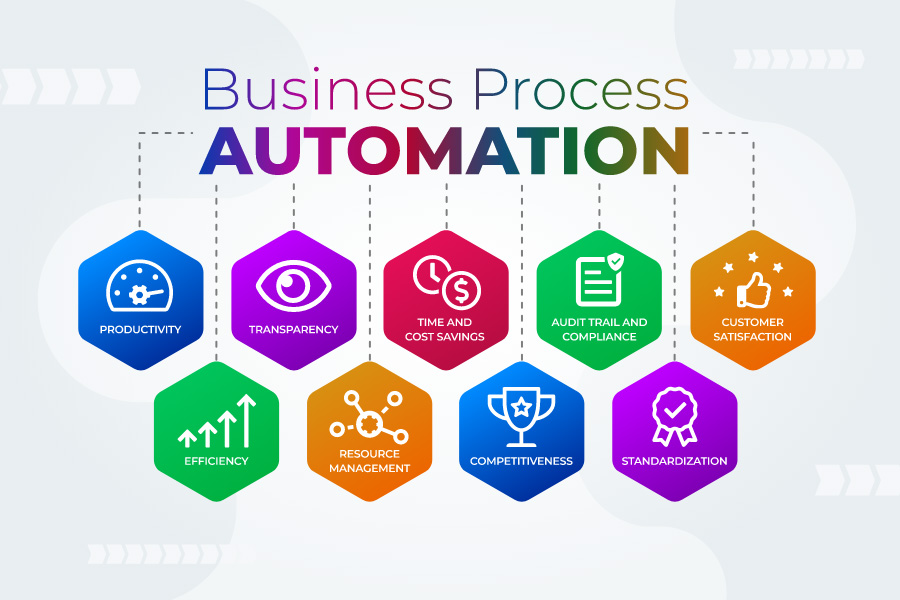
CRM integration and automation using Salesforce, HubSpot, or industry-specific platforms streamlines customer relationship management while providing valuable data analytics for business decision-making. Effective CRM implementation transforms customer data into actionable insights that drive business growth.
Workflow automation tools like Zapier and Microsoft Power Automate for repetitive tasks eliminate manual processes that consume valuable staff time and introduce potential errors. These automation solutions allow employees to focus on high-value activities while ensuring consistent execution of routine processes.
Document management systems and electronic signature solutions for paperless operations improve efficiency while reducing physical storage requirements and improving document security. Digital document workflows accelerate business processes while providing better audit trails and access controls.
Inventory and project management system implementation and integration provides real-time visibility into business operations while automating routine management tasks. These systems help small businesses operate more efficiently while providing the data needed for strategic decision-making.
How Do You Choose the Right Technology Consultant for Your Small Business?
Evaluating Experience and Credentials
Look for consultants with at least 5 years of small business experience and relevant industry certifications that demonstrate both technical competence and practical understanding of small business challenges. Experience working specifically with similar businesses provides insights into common challenges and effective solutions that generic IT experience cannot match.
Verify credentials like CompTIA, Cisco, Microsoft, and AWS certifications relevant to your needs, ensuring that consultants possess current expertise in technologies critical to your business operations. These certifications demonstrate ongoing commitment to professional development and current knowledge of best practices.
Request case studies and references from similar businesses in your industry or size range to understand how consultants have addressed challenges comparable to your situation. Case studies provide concrete evidence of consultant capabilities while references offer insights into working relationships and project outcomes.
Check online reviews and Better Business Bureau ratings to assess consultant reputation and reliability from multiple perspectives. Third-party reviews provide unfiltered feedback about consultant performance, communication, and problem-resolution capabilities.
Assessing Service Offerings and Approach
Ensure consultant offers comprehensive services including strategy, implementation, and ongoing support rather than limiting services to specific technical areas. A consulting firm that provides various services can address interconnected technology needs while maintaining consistency across different system components.
Evaluate their approach to understanding your business goals and customizing solutions accordingly, ensuring that technology recommendations align with actual business requirements rather than generic best practices. The right consulting firm takes time to understand unique challenges and opportunities before proposing solutions.
Confirm availability for emergency support and typical response times for critical issues to ensure that consultant relationships provide reliable support when problems arise. Emergency support capabilities demonstrate commitment to client success and understanding of small business vulnerability to system disruptions.
Assess their communication style and ability to explain technical concepts in business terms, ensuring that consultant interactions contribute to business understanding rather than creating confusion. Effective consultants translate technical complexity into actionable business information that supports informed decision-making.
Understanding Pricing Models
Compare hourly rates ($125-$200), project-based pricing, and monthly retainer options to understand which pricing model best aligns with your business requirements and cash flow preferences. Different pricing models work better for different types of consulting engagements and business situations.
Request detailed proposals outlining scope, deliverables, and timeline for each phase of potential consulting engagements to understand exactly what services are included and what additional costs might arise. Detailed proposals prevent misunderstandings and provide frameworks for measuring consultant performance.
Understand what’s included in ongoing support and what incurs additional charges to budget accurately for consultant relationships and avoid surprise costs during implementations. Clear understanding of service boundaries helps maintain positive working relationships while managing costs effectively.
Evaluate total cost of ownership including training, maintenance, and future upgrades to understand the complete financial commitment associated with consultant recommendations. Technology decisions involve ongoing costs beyond initial implementation, and effective consultants help clients understand and plan for these expenses.

What Does the Technology Consulting Implementation Process Look Like?
Initial Assessment and Strategy Development
Comprehensive IT audit covering current systems, security posture, and business requirements provides the foundation for effective technology strategy development. This audit examines both technical infrastructure and business processes to identify opportunities for improvement and integration.
Stakeholder interviews to understand pain points, goals, and budget constraints ensure that consulting recommendations address actual business priorities rather than theoretical improvements. Effective consultants invest time in understanding business context before proposing solutions.
Gap analysis identifying differences between current state and desired outcomes creates clear frameworks for prioritizing technology investments and measuring progress. This analysis helps businesses understand both immediate needs and long-term requirements for strategic planning purposes.
Strategic roadmap development with prioritized recommendations and implementation timeline provides actionable plans that balance business requirements with practical implementation constraints. Effective roadmaps consider both technical feasibility and business readiness for change management.
Project Execution and Change Management
Phased implementation approach minimizing business disruption during technology transitions recognizes that small businesses cannot afford extended periods of reduced productivity during system changes. Careful planning and phased rollouts maintain business continuity while implementing improvements.
User training programs ensuring smooth adoption of new systems and processes address the reality that technology success depends on user acceptance and competence. Effective training programs consider different learning styles and business contexts to maximize adoption rates.
Regular progress updates and milestone reviews with key stakeholders maintain project momentum while providing opportunities to address challenges before they become significant problems. Communication throughout implementation builds confidence and ensures alignment between consultant activities and business expectations.
Testing and quality assurance procedures before full system deployment prevent problems that could disrupt business operations or require expensive corrections after implementation. Thorough testing demonstrates consultant commitment to successful outcomes rather than just technical implementation.
Ongoing Support and Optimization
Monthly performance reviews and system optimization based on usage patterns ensure that technology implementations continue delivering value as business operations evolve. Regular optimization maintains system performance while identifying opportunities for additional improvements.
Proactive monitoring and maintenance prevent issues before they impact operations, demonstrating consultant commitment to client success beyond initial implementation. This proactive approach minimizes business disruption while maintaining system reliability and performance.
Quarterly business reviews aligning technology performance with evolving business needs ensure that technology investments continue supporting business objectives as priorities and markets change. Regular reviews provide opportunities to adjust technology strategies based on business experience and changing requirements.
Annual strategic planning sessions to plan future technology investments and upgrades maintain long-term alignment between technology capabilities and business objectives. These sessions help businesses anticipate technology needs while budgeting effectively for future investments.
How Much Does Technology Consulting Cost for a Small Business?
Initial consulting engagement typically ranges from $5,000-$25,000 depending on business complexity, scope of assessment, and recommendations included in strategic planning phases. This investment provides comprehensive analysis and roadmap development that guides technology decisions for multiple years.
Monthly managed services cost $100-$300 per employee for comprehensive IT support, including monitoring, maintenance, security management, and user support. This recurring cost provides predictable budgeting while ensuring ongoing system reliability and performance.
Project-based implementations like cloud migration range from $10,000-$50,000 for typical small businesses, depending on system complexity, data volume, and integration requirements. These investments provide significant capability improvements while avoiding the ongoing costs of traditional infrastructure management.
ROI calculations should include productivity gains, reduced downtime, and security risk mitigation rather than focusing solely on direct cost comparisons. Effective technology investments generate value through improved efficiency, enhanced capabilities, and reduced business risks that extend far beyond initial implementation costs.
Budget planning should allocate 3-7% of annual revenue for technology consulting and infrastructure to maintain competitive capabilities while supporting business growth. This allocation ensures adequate investment in technology capabilities while maintaining reasonable cost control for sustainable business operations.
What Are the Future Trends in Small Business Technology Consulting?
Artificial Intelligence and Automation
AI-powered customer service chatbots and automated lead qualification becoming standard in small business operations represent practical applications of artificial intelligence that provide immediate value without requiring extensive technical expertise. These tools improve customer service while reducing staff workload for routine inquiries.
Machine learning analytics providing insights for inventory management and customer behavior prediction help small businesses make data-driven decisions that were previously available only to larger organizations with dedicated analytics teams. These capabilities level the competitive playing field through intelligent automation.
Automated bookkeeping and financial reporting reducing manual data entry by up to 80% demonstrate how artificial intelligence can eliminate routine tasks while improving accuracy and freeing staff time for higher-value activities. Financial automation provides both efficiency gains and improved compliance capabilities.
Technology consultants helping small businesses implement AI tools like ChatGPT for content creation and customer support ensure that small businesses can adopt these powerful capabilities safely and effectively. Expert guidance helps businesses avoid common pitfalls while maximizing AI value.
Enhanced Cybersecurity Measures
Zero-trust security models becoming essential as remote work permanency increases cyber threats represent fundamental shifts in security thinking that require expert implementation and ongoing management. Zero-trust approaches assume no inherent trust and verify all access requests regardless of source location.
Advanced threat detection using behavioral analytics and machine learning for real-time protection provides sophisticated security capabilities that adapt to evolving attack methods. These technologies identify unusual patterns that traditional security tools might miss.
Cyber insurance requirements driving need for documented security policies and regular training create additional compliance requirements that technology consultants help businesses meet efficiently. Insurance providers increasingly require specific security measures that consultants can implement and document properly.
Compliance automation tools helping small businesses meet evolving regulatory requirements efficiently reduce the burden of maintaining compliance while ensuring that businesses meet all necessary standards. Automated compliance monitoring provides ongoing assurance without requiring constant manual attention.
Sustainable Technology Practices
Green IT consulting helping small businesses reduce energy consumption and carbon footprint addresses growing environmental consciousness while providing cost savings through improved efficiency. Sustainable technology practices support both environmental and financial objectives.
Cloud-first strategies reducing hardware needs and supporting environmental sustainability goals align business operations with environmental responsibility while providing operational benefits. Cloud services typically operate more efficiently than individual business data centers.
Electronic waste management and device lifecycle planning becoming standard consulting services address both environmental responsibility and cost management through planned replacement cycles and proper disposal practices. Effective lifecycle management reduces both environmental impact and technology costs.
Energy-efficient technology recommendations providing both cost savings and environmental benefits demonstrate how sustainable practices support multiple business objectives simultaneously. Efficient technology reduces operating costs while supporting corporate responsibility goals.

Frequently Asked Questions
How long does a typical technology consulting engagement last?
Initial strategic consulting projects typically last 3-6 months for assessment and planning phases, providing comprehensive analysis of current state and detailed roadmaps for future development. This timeframe allows thorough evaluation while maintaining project momentum.
Implementation phases range from 6-18 months depending on project scope and complexity, with larger transformations requiring more time for proper change management and user adoption. Realistic timelines ensure successful implementation without rushing critical phases.
Ongoing managed services relationships often continue for multiple years with quarterly reviews to ensure continuing alignment between technology capabilities and evolving business needs. Long-term relationships provide consistency and deep understanding of business operations.
Emergency consulting engagements for security incidents or system failures can be resolved within days or weeks, depending on incident severity and required remediation scope. Rapid response capabilities demonstrate consultant value during crisis situations.
What should I expect during the initial consultation?
Scottship Solutions begins the initial consultation with a technology assessment covering current systems, security, and business process integration, giving you a clear understanding of existing capabilities and limitations. This assessment identifies both immediate concerns and long-term opportunities for improvement.
Discussion of business goals, growth plans, and technology challenges or pain points ensures that consultant recommendations align with actual business priorities rather than generic technology improvements. Understanding business context drives relevant consulting approaches.
Preliminary recommendations and high-level project scope with estimated timelines provide framework for understanding potential consulting engagement without requiring immediate commitments. Initial recommendations demonstrate consultant understanding and approach quality.
Proposal delivery within 1-2 weeks outlining detailed services, costs, and implementation approach provides specific information needed for informed decision-making about consultant selection and project scope. Detailed proposals demonstrate professionalism and project management capabilities.
How do I measure the success of technology consulting?
Key performance indicators including system uptime, user productivity metrics, and security incident reduction provide objective measures of technology consulting effectiveness. These metrics demonstrate tangible improvements in business operations.
Cost savings analysis comparing pre and post-consulting technology expenses and efficiency gains quantifies the financial impact of consulting engagements. ROI analysis helps justify technology investments and guide future decision-making.
Business growth metrics showing technology’s impact on revenue and customer satisfaction demonstrate how technology consulting contributes to overall business success rather than just technical improvements. Business impact metrics connect technology investments to business outcomes.
Regular performance reviews with consultant providing documentation of achievements and ongoing recommendations ensure that consulting relationships continue delivering value while identifying opportunities for additional improvements. Ongoing measurement maintains accountability and continuous improvement.
Your Next Steps
Technology consulting for small business has evolved from a luxury service to an essential strategic partnership for companies working through complex digital demands. The evidence is clear: businesses that invest in professional IT guidance achieve significantly better outcomes than those attempting to manage technology challenges internally or through piecemeal solutions.
The comprehensive benefits (cost efficiency, specialized expertise, enhanced security, and scalable growth) position technology consulting as one of the most impactful investments small businesses can make in 2026. With cyber threats increasing, remote work becoming permanent, and digital transformation accelerating across all industries, professional guidance ensures that technology serves as a competitive advantage rather than a source of vulnerability.
Choosing the right consulting firm requires careful evaluation of experience, service offerings, and cultural fit with your business values. The implementation process, while requiring initial investment and change management, delivers measurable returns through improved efficiency, better security, and enhanced capabilities that support sustainable growth.
As artificial intelligence, advanced cybersecurity, and sustainable practices shape the future of business technology, small business owners who establish strong consultant relationships today position themselves for continued success. The key is taking action by conducting honest assessments of current technology capabilities and engaging with experienced consultants who understand both technical possibilities and business realities.
Your business deserves technology solutions that drive growth rather than create limitations. Consider scheduling an initial consultation with qualified technology consultants to explore how strategic IT partnerships can transform your operations and accelerate your business objectives in the rapidly evolving digital economy.

Written by
Parker Davis
System Architect at Scottship Solutions
Parker works hands-on with nonprofit and small business leaders on IT strategy, cybersecurity, AI implementation, and cloud architecture. He leads the work at Scottship Solutions that helps mission-driven organizations build reliable, secure technology infrastructure.
Certifications
IBM AI Product Manager • Lean Six Sigma Yellow Belt • TOGAF Standard • Claude Certified Architect
Industries Served
Human Services, Healthcare & Community Health, Arts & Culture, Education & Youth Development, Faith-Based, Foundations & Grantmakers, Child Advocacy