
TL;DR: Scottship Solutions breaks down Planned giving is a fundraising strategy where donors arrange charitable gifts in advance through their wills, trusts, retirement accounts, or life insurance policies , gifts that typically come from accumulated assets rather than current income. These legacy gifts are among the largest nonprofits ever receive, with charitable bequests alone contributing over $45 billion annually in the U.S. Even small organizations can start a planned giving program with minimal infrastructure: a website page, CRM tracking, and a few hours of staff time per week.
Why Does Planned Giving Matter for Nonprofits Right Now?
In early 2024, a small youth mentoring nonprofit in Ohio received unexpected news: a retired teacher who had volunteered with them for 15 years had passed away and left them 10% of her estate. The gift totaled $87,000, more than their entire annual fundraising budget. That single bequest stabilized their aft
- Why Does Planned Giving Matter for Nonprofits Right Now?
- Why Will Planned Giving Matter More Over the Next 3-5 Years?
- What Is Planned Giving (and What It Isn’t)?
- Is Your Nonprofit Ready for Planned Giving?
- What Are the Core Types of Planned Gifts?
- How Do You Build a Sustainable Planned Giving Program?
- How Do You Market a Planned Giving Program?
- How Do You Steward Legacy Donors and Handle Ethical Questions?
This was not luck. It was planned giving in action.
Planned giving, sometimes called legacy giving, refers to charitable donations that donors arrange in advance, typically delivered through a will, trust, retirement account, or life insurance policy. Unlike a $50 monthly gift or a gala ticket purchase, these gifts come from accumulated assets rather than current income. They are often larger, and they require donors to think ahead about their estate plan and the causes they want to support after they are gone.
Here is why this matters to you right now: Between 2020 and 2045, Baby Boomers are expected to transfer an estimated $68 trillion in wealth to the next generation and to charity. Charitable bequests alone already contribute roughly $45, 46 billion annually in the U.S. That is not a future opportunity; it is happening today. And small to mid-sized nonprofits with 10, 75 staff members, organizations that rarely have endowments or large cash reserves, stand to benefit enormously if they are prepared.
At Scottship Solutions, we see this through the lens of what makes programs sustainable: good technology, clean data, and clear processes. A planned giving program does not have to be overwhelming. With the right tools and a simple strategy, even lean teams can start cultivating legacy gifts that protect their mission for generations.
Why Will Planned Giving Matter More Over the Next 3-5 Years?
-
The largest intergenerational wealth transfer in history is underway, with trillions moving from Boomers to heirs and charities
-
Annual bequest giving exceeds $45 billion, and most nonprofits are not actively asking for it
-
Even modest donors can leave transformative gifts; loyalty matters more than visible wealth
-
Starting simple (wills and beneficiary designations) requires minimal infrastructure

What Is Planned Giving (and What It Isn’t)?
Planned giving describes charitable gifts that donors arrange in advance as part of their broader financial or estate planning. These gifts are typically delivered at a future date, often after the donor’s death, through vehicles like wills, trusts, retirement plans, or life insurance. The assets involved can include cash, appreciated stock, real estate, retirement accounts, or other assets like business interests.
This is fundamentally different from annual giving, where donors contribute from their year-to-year income. A planned gift draws from what a donor has accumulated over a lifetime. That is why these gifts tend to be substantially larger and why they require more forethought from the donor and more patience from the nonprofit.
Here is a quick comparison to clarify:
|
Gift Type |
Source |
Timing |
Typical Size |
Documentation |
|---|---|---|---|---|
|
Annual gift |
Current income |
Immediate |
$25, $5,000 |
Receipt/acknowledgment |
|
Major gift |
Current income or assets |
Immediate |
$5,000, $100,000+ |
Pledge agreement |
|
Planned gift |
Estate/accumulated assets |
Often at death |
$40,000, $110,000+ |
Will, trust, or beneficiary form |
|
Memorial fund |
Family/friends’ contributions |
After death |
Varies widely |
Usually informal |
Planned Gifts vs. Memorial Funds
Memorial funds are usually set up by family or friends after someone’s death. They might collect donations for funeral costs, create a scholarship, or establish a named fund at a charity. These are reactive; they happen after the fact, driven by grieving loved ones.
Planned gifts work differently. The donor makes the decision in advance, documents it in their estate documents, and notifies the nonprofit (ideally) while they are still alive. The organization can cultivate these prospective donors, track their intentions, and build a relationship over years or even decades.
Example: Jane, a longtime donor, updates her will in 2023 to include a 3% bequest to your nonprofit. She lets you know, joins your legacy society, and receives stewardship communications for the next 12 years before her passing in 2035.
Contrast: Jane passes unexpectedly. Her family creates a GoFundMe memorial fund, directing some proceeds to your organization. You receive a modest gift but had no advance notice and no relationship with the family. This situation highlights why major gifts fundraising strategies that emphasize relationship-building and advance planning are vital for maximizing donor engagement.
Both matter. But only one can be forecasted and stewarded.
|
Planned Gift |
Memorial Fund |
|
|---|---|---|
|
Who initiates |
The donor |
Family or friends |
|
When it starts |
Years before death |
After death |
|
Documentation |
Will, trust, beneficiary form |
Often informal |
|
Predictability |
Can be tracked and cultivated |
Unpredictable |
|
Relationship |
Built over time |
May be one-time |
Is Your Nonprofit Ready for Planned Giving?
Planned giving is not reserved for large institutions with endowment offices. But it does require a baseline of organizational stability. Before launching a planned giving program, take an honest look at where you stand.
Readiness indicators include:
-
A stable board with consistent leadership over the past 3, 5 years
-
Audited or reviewed financials for at least 3 years
-
A clear, compelling mission that donors can articulate
-
A consistent base of individual donors (at least 200, 500 per year)
-
A core group of loyal supporters who have given 5+ times over 5+ years
-
Some experience with major gifts or mid-level giving
-
Basic policies for accepting non-cash assets (or willingness to create them)
-
Access to legal counsel when needed
Even if you are not there yet on all fronts, you can start with what is sometimes called “lightweight” planned giving: simply inviting donors to include you in their wills or name you as a beneficiary on retirement accounts. These do not require complex infrastructure; just clear communication and a way to track intentions in your CRM.
Planned Giving Readiness Check
Answer yes or no to each:
Has your board been stable for 3+ years?
Do you have audited or reviewed financials?
Can you clearly articulate your mission in one sentence?
Do you have at least 200 individual donors annually?
Can you identify 50+ donors who have given for 5+ consecutive years?
Do you have a CRM that tracks donor history and notes?
Can you securely store sensitive donor documents?
Do you have access to legal counsel for gift questions?
Is at least one staff member willing to own this work?
Does leadership understand this is a 5, 10 year investment?
If you answered “yes” to 7 or more, you are ready to start. Fewer than 5? Focus on building those foundations first.
Technology and Data Readiness (Scottship Solutions’ Lens)
Accurate donor data is the backbone of any planned giving program. You cannot identify loyal prospective donors if you do not know who has been giving for 10 years. You cannot steward legacy intentions if you have no way to record them.
Your CRM, whether that is Bloomerang, Salesforce NPSP, Neon, Kindful, or another platform, should be able to:
-
Track giving history across multiple years
-
Record notes from conversations about legacy intentions
-
Flag donors who have expressed interest in planned giving
-
Store documents like bequest intention letters or notification forms
Beyond the CRM, you need secure, well-managed cloud tools to store sensitive information. Donor estate documents, beneficiary confirmations, and gift acceptance records require protection. Microsoft 365 or Google Workspace with proper access controls, multi-factor authentication (MFA), and regular backups are table stakes.
At Scottship Solutions, we help nonprofits get these fundamentals right, so development staff can focus on relationships, not spreadsheet chaos.
Minimum Tech Tools for a Simple Planned Giving Program
CRM with giving history, notes, and custom fields for legacy tracking
Secure cloud storage (OneDrive, Google Drive, SharePoint) with role-based access
Email marketing platform (Mailchimp, Constant Contact) for segmented outreach
MFA enabled across all accounts
Regular automated backups
What Are the Core Types of Planned Gifts?
You do not need to offer every planned giving vehicle on day one. Most nonprofits start with two or three core types and expand as capacity grows. The goal is to make it easy for donors to include you in their plans, not to overwhelm them or yourself with complexity.
Main categories of planned gifts:
-
Bequests: Gifts made through a will or trust, the most common starting point
-
Beneficiary designations: Naming the nonprofit on retirement accounts or life insurance
-
Gifts of appreciated assets: Stock, mutual funds, or real property donated directly
-
Income-generating gifts: Charitable gift annuities, charitable remainder trusts, and pooled income funds
-
Real estate: Property donated outright or through retained life estates
For small to mid-sized nonprofits in 2024, 2026, prioritize bequests and beneficiary designations. These require the least infrastructure, appeal to a broad range of planned gift donors, and can be promoted without specialized staff or complex legal agreements.
Bequests (The Workhorse of Planned Giving)
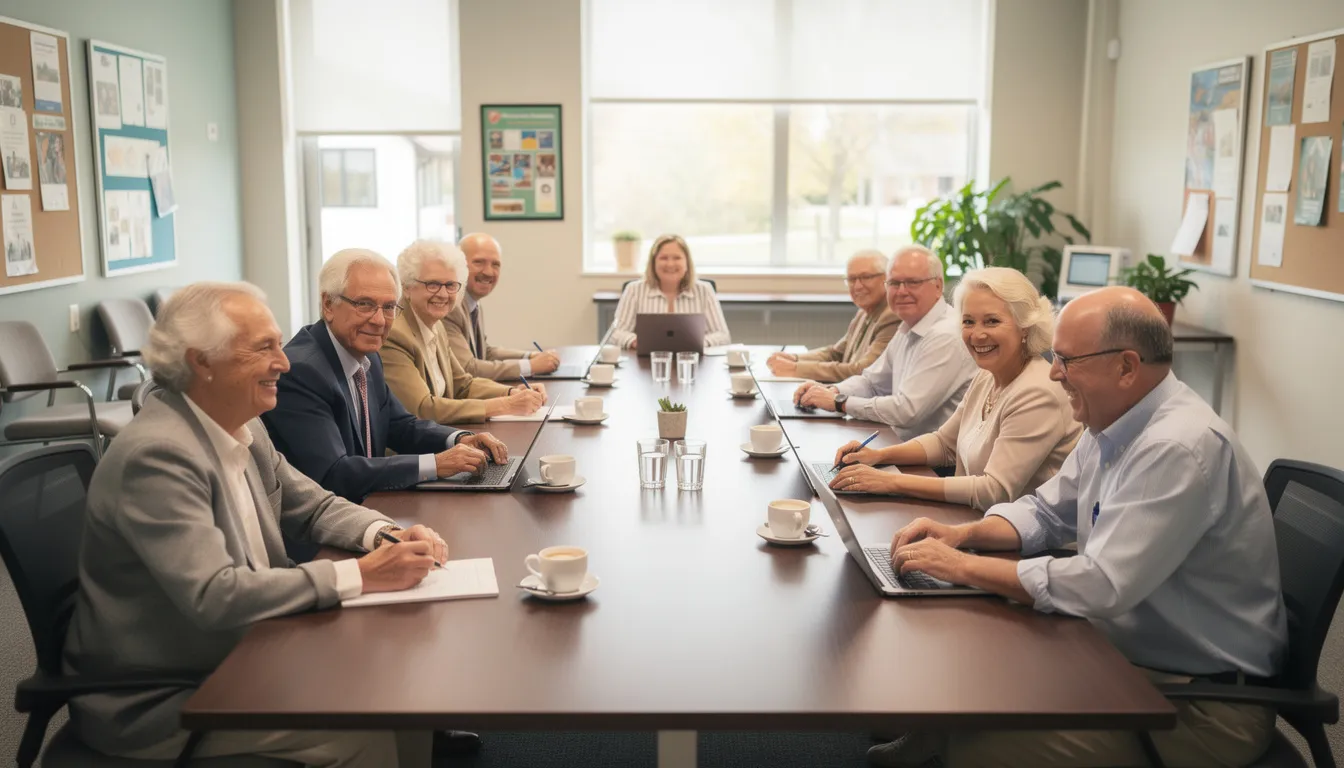
A charitable bequest is a gift made through a donor’s will or revocable living trust. It might be a specific dollar amount (“I leave $25,000 to Organization X”), a percentage of the estate (“I leave 5% of my residuary estate…”), or a remainder gift after other obligations are satisfied.
Bequests are the workhorse of planned giving because they are accessible to almost any donor. No specialized accounts, no attorney beyond basic will preparation, no complex paperwork. Nationally, bequests contribute tens of billions of dollars annually to charitable causes.
Example language a nonprofit might share:
“I give [5% / $X / the remainder] of my estate to [Organization Name], a nonprofit organization located at [address], Tax ID [EIN], to be used for its general charitable purposes.”
Tracking bequest expectancy matters. In your CRM, distinguish between:
-
Intentions: Donors who have told you they’ve included you in their will
-
Realized bequests: Gifts actually received after a donor’s passing
Not all intentions will materialize; donors change their minds, estates face claims, or remaining funds are smaller than expected. But tracking intentions helps you forecast, steward, and plan.
Make sure your website includes a planned giving page with clear information on how to include your nonprofit in a will. Many potential donors simply need to be invited.
Beneficiary Designations (Retirement Plans and Life Insurance)
Donors can name your nonprofit as a full or partial beneficiary of IRAs, 401(k)s, 403(b)s, or a life insurance policy, often without changing their will at all. This is one of the simplest forms of planned giving, typically requiring just a form update with the financial institution.
For donors, this approach offers financial flexibility and potentially strong tax benefits. Retirement assets left to individuals are subject to income tax; assets left to a nonprofit pass tax-free.
Example: A donor in their 60s names your nonprofit as a 10% beneficiary of their $300,000 IRA. Other heirs receive the remaining 90%. When the donor passes, you receive $30,000, with minimal complexity for anyone involved.
Encourage donors to notify you of these gifts, but respect privacy. Do not ask for account balances or specific dollar amounts. A simple “I’ve included you as a beneficiary” confirmation is enough to document the intention.
And a critical note: your staff should never give specific tax or investment advice. Always encourage donors to consult their own financial advisors or estate planning attorneys.
Gifts of Appreciated Assets (Stock, Real Estate, and More)
Donors holding appreciated property, stock purchased years ago, real estate that has increased in value, can avoid capital gains tax by donating those assets directly to your nonprofit. They also receive a charitable donation deduction based on fair market value.
Example: A donor contributes $25,000 in appreciated stock they purchased in 2010 for $8,000. They avoid capital gains tax on the $17,000 gain and receive a deduction for the full $25,000. Your nonprofit liquidates the stock immediately.
Before actively promoting these gifts, adopt a basic gift acceptance policy. This should address:
-
What types of non cash assets you will accept
-
Who has authority to approve complex gifts
-
How you will handle real property, closely held stock, or cryptocurrency
-
When you will involve legal counsel
For smaller nonprofits without internal capacity to handle complex assets, consider partnering with a community foundation or donor-advised fund sponsor. They can receive and liquidate complex gifts on your behalf, passing the proceeds to you.
Scottship Solutions keeps your financial and development systems aligned when you introduce new asset types, so nothing falls through the cracks.
How Do You Build a Sustainable Planned Giving Program?
A planned giving program is more than occasional legacy gifts that arrive unexpectedly. It is a consistent strategy with clear ownership, documented processes, and systematic tracking. The good news: it can start very lean.
What a minimal program looks like:
-
A part-time staff lead (even 2, 3 hours per week to start)
-
A basic marketing plan (website page, occasional emails)
-
A simple way to log legacy intentions in your CRM
-
Board and leadership alignment on the 5, 10 year time horizon
Phased roadmap for building your program:
|
Phase |
Timeframe |
Focus |
|---|---|---|
|
Phase 1 |
Year 1 |
Build awareness, promote bequests, create website page, identify loyal donors |
|
Phase 2 |
Years 2, 3 |
Add beneficiary designations, improve CRM tracking, launch legacy society |
|
Phase 3 |
Year 4+ |
Consider more planned gifts (annuities, trusts), explore partnerships |
The program cycle looks like this:
-
Identify loyal donors likely to consider a legacy gift
-
Educate them about options (bequests, beneficiary designations)
-
Ask them to consider including your organization
-
Document their intention in your CRM
-
Steward them with ongoing gratitude and mission updates
-
Repeat and refine

Assigning Ownership: Planned Gifts Officer or Point Person
Larger nonprofits often have a dedicated planned giving officer who cultivates relationships, coordinates with donors’ financial advisors, and manages a pipeline of legacy prospects. That is not realistic for most small organizations.
For small to mid-sized nonprofits, practical alternatives include:
-
A development director with 5, 10% of their time allocated to gift planning
-
Shared responsibility between advancement staff and the executive director
-
A board member with relevant expertise who can support outreach
Core responsibilities for whoever owns this work:
-
Identifying and prioritizing planned giving prospects
-
Conducting outreach (conversations, emails, events)
-
Documenting intentions and updating CRM records
-
Coordinating with finance when gifts arrive
-
Stewarding legacy donors through recognition and updates
Even without a formal title, create a concise internal role description. Ambiguity leads to dropped balls.
Technology can offset limited staff time. CRM workflows and automated reminders ensure follow-ups do not slip. Scottship Solutions helps nonprofits configure these systems so planned giving tasks stay visible without adding manual overhead.
Identifying Strong Planned Giving Prospects
Here is a truth many nonprofits miss: donor loyalty matters far more than visible wealth. The retired teacher who gives $100 annually for 20 years is often a better planned giving prospect than the board member who writes one $10,000 check and disappears.
Concrete markers of strong prospects:
-
Donors over age 55, 60
-
Multi-year consecutive givers (5+ years in a row)
-
Monthly or recurring donors
-
Former board members or long-term volunteers
-
Donors with lifetime giving over $5,000 (accumulated, not single gifts)
Use your CRM to surface these segments. Filter for donors who have given in at least 6 of the last 8 years, or who have volunteered for 10+ years. These are your prime candidates for discussing planned giving.
Do not limit outreach to known major gifts donors. Research consistently shows that modest annual donors sometimes leave substantial estates, precisely because they have been thoughtful about their finances their whole lives.
Brief case example: A Midwest food bank received a $340,000 bequest from a donor whose largest annual gift had been $200. She had given that $200 every year for 22 years. No one knew she had accumulated assets of that size. Her bequest intention was documented only because a development officer had asked the simple question: “Have you ever considered including us in your will?”
How Do You Market a Planned Giving Program?
Many donors have simply never been asked to consider a legacy gift. They assume planned giving is for wealthy donors or that your organization does not need that kind of support. A clear, simple invitation is often all it takes to start a conversation.
First steps for marketing your opportunity:
-
Create a basic planned giving information hub on your website (aim for the next 3, 6 months)
-
Add a sentence about legacy gifts to your email signature and newsletter footer
-
Include planned giving in your year-end appeal messaging
-
Consider a dedicated site or landing page for legacy information
Communication channels to mix:
-
Email campaigns to loyal donor segments
-
Print pieces (annual report insert, dedicated legacy brochure)
-
Social media posts featuring legacy donor stories (with permission)
-
Occasional in-person events or webinars on estate planning topics
Key messaging principle: Frame planned giving as a way to protect your organization’s mission, the services, programs, and communities you serve, for the long term. This is not about your budget shortfall. It is about ensuring lasting impact for youth mentoring, housing stability, or whatever cause drives your work.
Key Messages and Sample Language
Sample headlines:
-
“Leave a legacy of safe housing for families in crisis”
-
“Include [Org Name] in your will”
-
“Protect this work for the next generation”
-
“Your values, your lasting impact”
Sample email paragraph:
“For over 15 years, you have helped us provide after-school tutoring to kids who need it most. Have you ever considered including [Org Name] in your will or estate plan? A gift of any size, whether a percentage of your estate or a specific amount, ensures this work continues for the next generation of students. If you have already included us, we would love to know so we can thank you properly.”
Use donor-centric language. Focus on what the donor cares about, not your financial needs. Say “include us in your will” first, then introduce “bequest” as the technical term later.
Important: Never give tax or legal advice in your communications. Include a standard disclaimer like: “Please consult your attorney or financial advisor to determine the best approach for your situation.”
Using Digital Tools and Automation
Your CRM and email marketing platform can work together to make planned giving outreach sustainable, even with limited staff.
Simple automations to consider:
-
Birthday or “donor anniversary” emails with a soft legacy message
-
Drip campaigns for donors who have given 10+ years
-
Triggered emails when someone visits your planned giving webpage
-
Annual reminders to donors who have expressed legacy interest
You can create a secure online form to collect “I’ve included you in my plans” confirmations. Ask for basic details, gift type (bequest, beneficiary designation, etc.), without requesting dollar amounts. This respects privacy while giving you what you need to steward and track.
Example scenario: A donor clicks a link in your newsletter to your planned giving page. They browse for a few minutes, then leave. Two weeks later, they receive a gentle follow-up email: “We noticed you were exploring ways to leave a legacy. If you have questions, we are here to help.”
Scottship Solutions integrates forms, CRM, and email tools so pledge data flows automatically and securely, no manual data entry, no lost confirmations.

How Do You Steward Legacy Donors and Handle Ethical Questions?
Securing a planned gift notification is just the beginning. Recognizing and caring for legacy donors is equally important. Stewardship reduces the risk of donors revising their gifts away, and it deepens their connection to your mission.
Create a legacy society. Even if membership is small at first, a named group (e.g. “[Org Name] Future Builders Circle”) gives legacy donors a sense of belonging. List members in your annual report (with permission), invite them to special briefings, and thank them personally.
Basic stewardship touches:
-
Annual letter from the executive director or board chair
-
Special updates on mission impact (separate from general newsletters)
-
Small events or virtual gatherings for legacy society members
-
Personal calls on birthdays or gift anniversaries
-
Recognition in public materials (with permission)
Ethical concerns to address proactively:
-
Donor capacity: Is the donor of sound mind when making this commitment?
-
Undue influence: Are we pressuring someone inappropriately?
-
Charitable intent: Is the donor’s primary motivation philanthropic, or purely tax-driven?
Develop a short, written gift acceptance policy approved by your board. This guides staff through tricky situations, like when a donor wants to give a problematic asset, or when family members raise concerns.
Ethical Guardrails and Donor Protection
Planned giving involves serious financial decisions. Your role is to facilitate, not pressure.
Key guardrails:
-
Encourage donors to talk with family and their own advisors before finalizing larger gifts
-
Be transparent about how gifts will be used (restricted vs. unrestricted, endowment vs. current use)
-
Document any restrictions in writing and honor them faithfully
-
Never pressure older donors or those showing signs of diminished capacity
-
Be willing to pause or slow conversations if something feels off
When to involve legal counsel:
-
Disputes among heirs regarding a deceased donor’s estate
-
Unusual asset types (closely held business interests, mineral rights, cryptocurrency)
-
Large restricted gifts that could significantly change your organization’s mission or operations
-
Any situation where you are uncertain about legal obligations
Consider an annual training session for development staff on ethics and boundaries in planned giving conversations. Even 60 minutes per year reinforces expectations and surfaces questions before they become problems.
Frequently Asked Questions
What is the most common type of planned gift?
Charitable bequests (gifts through wills or trusts) are the most common type of planned gift. They account for the majority of legacy gifts received by nonprofits and require no complex financial instruments. Donors simply include your organization in their will.
How much does it cost to start a planned giving program?
Very little. A basic program needs a website page, CRM tracking for legacy intentions, and 2-3 hours per week of staff time. Most costs are in staff hours, not technology or legal fees.
Do we need a large donor base to start a planned giving program?
No. Even nonprofits with 200-500 annual donors can launch a successful program. Focus on identifying your most loyal, long-term donors (5+ years of consecutive giving) rather than your wealthiest ones.
How long does it take to see results from planned giving?
Planned giving is a 5-10 year strategy. Most bequests are received years or decades after the donor makes their commitment. However, you can start documenting intentions within the first year.
Should we hire a planned giving officer?
Most small to mid-sized nonprofits don’t need a dedicated officer to start. A development director allocating 5-10% of their time, supported by CRM automation, is enough to launch and manage an early-stage program. Scottship Solutions helps nonprofits configure these CRM workflows so planned giving tasks stay visible without adding manual overhead.
Next Steps: Turning Intent into a 3-Year Action Plan
You do not need a perfect program to start. You need a realistic plan and a commitment to consistent action over time.
A 3-year timeline might look like:
|
Year |
Goals |
|---|---|
|
Year 1 |
Create website page, train 2 staff on basics, identify 50 loyal donors, have 10+ conversations, document 3, 5 intentions |
|
Year 2 |
Launch legacy society, add beneficiary designation messaging, grow documented intentions to 15+, host one stewardship event |
|
Year 3 |
Refine prospect identification in CRM, track website visits to planned giving pages, train board on discussing planned giving, explore more planned gifts if capacity allows |
Concrete first actions for this quarter:
-
Add a line about legacy gifts to your email signature and website donate page
-
Pull a list of your top 50 most loyal donors from your CRM (longest tenure, most consistent)
-
Draft sample bequest language and post it on your website
-
Schedule 3 one-on-one conversations with donors who might be receptive
Measurable indicators of progress:
-
Number of documented legacy intentions
-
Website visits to your planned giving page
-
Number of staff trained on planned giving basics
-
Legacy conversations logged in CRM
-
First bequest received (even if it takes years)
Scottship Solutions gets your technology, data, and workflows right, so your staff can focus on building relationships, not wrestling with spreadsheets or hunting for lost donor records.
Planned giving is not about extracting dollars from donors. It is about inviting people who care deeply about your mission to make a lasting impact, one that protects the communities you serve long after any single gift or grant cycle.
The work is long-term. The payoff is transformational.
Start with what you can manage today: a website page, a conversation with loyal donors, clean data in your CRM. The right tools and a simple strategy will carry you further than you might expect.
If your nonprofit needs help getting the tech foundations in place, CRM configuration, secure data management, integrated workflows, Scottship Solutions is here to support mission-driven organizations like yours. Let us make sure your planned giving program is built to last.
Explore our full range of IT solutions for nonprofits to see what Scottship does for your organization.
Written by
Luiza Vilardo
Director of Consulting at Scottship Solutions
Luiza oversees technology assessments, strategic roadmap execution, and project delivery for nonprofit and small business clients. She translates CIO-level strategy into operational reality through structured delivery and measurable outcomes.
Certifications
PMP (Project Management Professional) • Lean Six Sigma Yellow Belt • Certified ScrumMaster (CSM)
Industries Served
Human Services, Healthcare & Community Health, Arts & Culture, Foundations & Grantmakers, Education & Youth Development