
Cloud Technology Applications: How Post‑COVID Innovation Powers Nonprofits
Overview: Cloud Technology for Nonprofits After COVID-19
This article is designed for nonprofit leaders, staff, and stakeholders seeking to understand how cloud technology applications can drive mission impact, operational efficiency, and resilience in a post-COVID world. When the COVID-19 pandemic swept across the globe in March 2020, nonprofits faced an unp
- Overview: Cloud Technology for Nonprofits After COVID-19
- What Is Cloud Technology in the Nonprofit Context?
- Major Types of Cloud Services Used by Nonprofits
- Post‑COVID Cloud Collaboration and Remote Work in Nonprofits
- Cloud Applications for Program Delivery and Beneficiary Services
- Data, Analytics, and AI in Nonprofit Cloud Environments
- Security, Privacy, and Compliance in Nonprofit Cloud Use
- Data Backup and Recovery for Nonprofit Resilience
- Streaming Services for Outreach and Engagement
- Best Practices for Cloud Computing in Nonprofits
- Future Trends in Cloud Technology for Nonprofits (2025 and Beyond)
- How Nonprofits Can Get Started or Mature Their Cloud Strategy
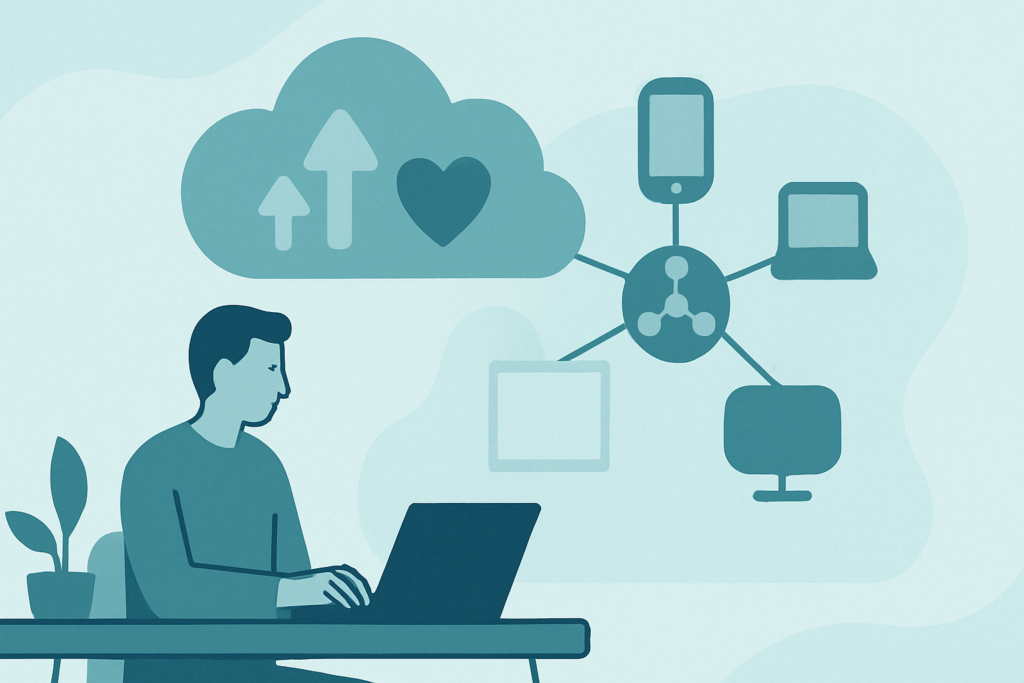
Cloud computing provides access to resources such as compute, memory, networking, databases, and data storage over the Internet. Instead of relying on local servers and on-site IT infrastructure, organizations can leverage the flexibility and scalability of cloud services to meet their evolving needs.
Cloud technology powers applications across industries, including data storage, AI/ML, software development, e-commerce, healthcare, finance, retail, and education. Common applications of cloud technology include CRM (Salesforce), productivity suites (Microsoft 365, Google Workspace), and data analytics tools (AWS/Azure). Cloud technology enhances business operations by offering scalability, cost efficiency, collaboration, and security without extensive on-site IT infrastructure.
The transformation was swift and remarkable. By late 2022, over 60% of nonprofits reported significantly increasing their use of cloud-based collaboration platforms, donor management systems, and virtual service delivery tools. Cloud based applications became a key part of this digital transformation, enabling organizations to adapt quickly. Organizations that had never hosted a virtual event were streaming online galas, while community health centers pivoted to telehealth consultations powered by cloud computing services. What began as emergency measures became permanent fixtures of the nonprofit landscape.

This digital revolution wasn’t just about survival, it fundamentally changed how charitable organizations operate, engage donors, and deliver programs. Unlike commercial enterprises focused on profit margins, nonprofits discovered that cloud technology could amplify their mission impact while reducing operational overhead and delivering significant cost savings.
Cloud computing, in its simplest form, means accessing computing resources like software, storage, and processing power through the internet rather than maintaining physical servers and software installations on-site. A reliable internet connection is essential for accessing these cloud resources and ensuring smooth operation of cloud-based tools. Instead of purchasing expensive hardware and hiring IT staff, nonprofits can rent these services from cloud providers like Amazon Web Services AWS, Microsoft Azure, and Google Cloud on a pay-as-you-use basis.
For resource-constrained nonprofits, this model offers compelling advantages: dramatically lower upfront costs, rapid deployment capabilities for crisis response, enhanced transparency tools for donor reporting, and seamless support for distributed volunteer teams working across multiple time zones. Organizations can scale their computing resources up during campaign peaks or emergency responses, then scale back down to control costs.
This article explores the real-world cloud applications that have transformed the nonprofit sector since 2020, emerging technology trends shaping social impact work through 2025, and practical cloud computing examples of how charitable organizations leverage cloud solutions to extend their reach and deepen their impact.
What Is Cloud Technology in the Nonprofit Context?
For nonprofit leaders who may be new to cloud computing, think of it this way: instead of running email servers, donor databases, and program management software in your office, you rent access to these tools and the underlying IT resources, such as compute, storage, and networking, from specialized providers like Microsoft Azure, Google Cloud, or Amazon Web Services AWS. Many nonprofits already benefit from special discount programs and donated services designed specifically for digital transformation for charitable organizations.
Cloud computing provides access to resources such as compute, memory, networking, databases, and data storage over the Internet.
The cloud computing landscape consists of three main service models, commonly referred to as the main types of cloud computing, each serving different nonprofit needs:
Software-as-a-Service (SaaS): Offers software access online via a subscription, rather than IT teams having to buy and install it on individual systems. These are complete, ready-to-use programs accessed through web browsers or mobile apps. Examples include:
Donor management systems like Salesforce Nonprofit Success Pack
Email marketing platforms like Mailchimp
Collaboration tools like Microsoft 365 for Nonprofits
SaaS eliminates the need for nonprofits to install, maintain, or update software, the provider handles all technical aspects while organizations focus on their mission.
Platform-as-a-Service (PaaS): Provides customers a complete cloud platform for developing, running, and managing applications without the cost and complexity of building and maintaining that platform on-premises. Civic technology organizations, for instance, might use:
Google App Engine
Azure App Service
Heroku
PaaS is a cloud based platform that provides the foundation for developers to create tailored solutions without managing servers or databases.
Infrastructure-as-a-Service (IaaS): Delivers fundamental compute, network, and storage resources to consumers on-demand, over the Internet and on a pay-as-you-go basis. Organizations like UNICEF or the Red Cross might use IaaS to host:
Global logistics systems
Beneficiary databases
Geographic information systems
IaaS provides essential storage resources, along with compute and networking, as key components of cloud infrastructure. Nonprofits use IaaS to store data securely and efficiently, supporting their need for scalable and reliable data management.

Cloud deployment models also matter for nonprofits handling sensitive data. Public cloud services run on shared infrastructure managed by major providers, offering cost efficiency and global scale. Private cloud environments provide dedicated resources for organizations with strict security requirements, such as those managing health records or child protection data. Hybrid cloud combines both approaches, keeping sensitive information in private environments while using public cloud for less critical functions like websites and marketing materials.
Since 2020, cloud computing has become the default choice for new nonprofit systems. Organizations that previously maintained aging on-premises servers have migrated to cloud environments, reducing IT costs and enabling remote staff to access critical systems securely from anywhere. This shift reflects a broader recognition that cloud infrastructure provides the reliability and scalability nonprofits need to respond effectively to crises and changing community needs. Major vendors like AWS, Azure, and Google Cloud offer a comprehensive cloud platform, an integrated environment for building, deploying, and managing applications, enabling nonprofits to operate flexibly and securely in the cloud.
The shared-responsibility security model in cloud environments means that while providers secure the underlying infrastructure, nonprofits remain responsible for protecting their data through proper access controls, encryption, and staff training. This partnership approach often results in stronger security than organizations could achieve independently, provided they understand and fulfill their responsibilities.
Major Types of Cloud Services Used by Nonprofits
While cloud technology infrastructure remains largely the same across sectors, nonprofits typically consume cloud resources as ready-made applications and managed services rather than building complex technical architectures from scratch. Many cloud services offer ready-made solutions specifically designed for nonprofits, making it easier for organizations to adopt cloud technology without extensive technical expertise. This approach minimizes IT overhead and allows organizations to direct more resources toward programmatic work.
The nonprofit preference for cloud managed services reflects both budget constraints and mission priorities. Rather than hiring specialized DevOps teams or database administrators, most charitable organizations prefer to purchase solutions that include ongoing technical support and automatic updates. Cloud native tools are often included in these managed services, helping nonprofits manage and optimize their cloud usage and control costs more effectively. This strategy has proven particularly effective since 2020, when organizations needed to deploy new digital capabilities rapidly without expanding their IT staff.
Understanding these service models helps nonprofit leaders make informed decisions about which cloud solutions best fit their operational needs, budget constraints, and mission objectives. Each model offers different levels of control, customization, and technical responsibility.
SaaS Applications for Nonprofit Operations
Software as a Service has emerged as the dominant cloud computing model for nonprofits, experiencing explosive growth since the 2020 pandemic forced organizations to digitize rapidly. Unlike traditional software that requires installation and maintenance, SaaS applications run entirely in cloud environments and are accessed through web browsers or mobile apps.
Key SaaS categories have transformed nonprofit operations:
Donor Management and CRM: Platforms like Salesforce Nonprofit Success Pack, Bloomerang, and Little Green Light centralize donor information, track giving history, and automate stewardship communications. These systems enable sophisticated segmentation and personalized outreach that would be impossible with spreadsheets or basic databases.
Grant Management: Tools like Fluxx, Submittable, and GrantHub help organizations track funding opportunities, manage application deadlines, and report outcomes to funders. Cloud-based grant management became critical during 2020-2021 when emergency relief funding required rapid reporting and compliance.
Email Marketing and Communications: Services like Mailchimp for Nonprofits, Constant Contact, and Campaign Monitor enable targeted email campaigns, automated donor journeys, and multichannel communications that integrate with social media and text messaging.
Financial Management: Cloud accounting platforms like QuickBooks Online for Nonprofits and Sage Intacct provide fund accounting capabilities, budget tracking, and financial reporting that meets nonprofit regulatory requirements.
The pandemic accelerated SaaS adoption dramatically. Organizations that had postponed digital transformation were forced to implement cloud-based fundraising platforms within weeks during spring 2020. Virtual fundraising events became essential when in-person galas were cancelled, leading to widespread adoption of platforms like Classy, JustGiving, and Givebutter for online campaign management. Many of these platforms operate as cloud based e commerce solutions, allowing nonprofits to manage donations and fundraising campaigns efficiently, with real-time updates and global accessibility.

Real-world examples demonstrate the impact: Save the Children used cloud-based fundraising platforms to launch emergency COVID-19 response campaigns in 2021, raising millions through digital channels while their traditional direct mail and events were disrupted. Similarly, local food banks across the United States implemented cloud CRM systems to manage volunteer coordination and beneficiary tracking as demand surged during lockdowns.
Nonprofit SaaS pricing typically includes significant discounts through programs like TechSoup, which provides donated and discounted software licenses. Many vendors offer specialized nonprofit editions with features like fund accounting, volunteer management, and grant tracking that commercial versions lack.
However, nonprofits must navigate important tradeoffs. Vendor lock-in represents a significant concern, as migrating data between platforms can be complex and expensive. Organizations should negotiate clear data export provisions and understand integration capabilities before committing to long-term contracts. When selecting vendors, prioritizing reputable cloud applications is essential to ensure data protection, reliability, and compliance with security standards. Additionally, international nonprofits must ensure their chosen platforms comply with regional data protection regulations like GDPR, often requiring specific data processing agreements.
PaaS and Custom Digital Tools for Social Impact
While SaaS solutions meet most nonprofit software needs, some organizations require custom applications tailored to their specific mission or community context. Crisis hotlines need specialized case management systems, local community organizations may require neighborhood-specific platforms, and advocacy groups often build tools for campaign coordination that don’t exist in the commercial marketplace.
Platform as a Service addresses these needs by providing managed development environments where small technical teams can build and deploy custom applications without managing underlying infrastructure. Services like Heroku, Google App Engine, and Azure App Service became particularly valuable during 2020 as organizations rushed to create COVID information portals, vaccine appointment finders, and mutual aid coordination platforms.
Code for America exemplifies strategic PaaS use in the nonprofit sector. This civic technology organization hosts tools like GetCalFresh (helping Californians apply for food assistance) and Clear My Record (automating criminal record clearance) on cloud platforms that can scale rapidly when policy changes create surge demand. During the pandemic, these applications handled massive traffic increases as unemployment benefits and relief programs expanded.
The 2020-2023 period saw an explosion of volunteer-built tools using PaaS platforms. Hackathons produced hundreds of applications supporting mutual aid groups, small business relief efforts, and vaccine distribution. Many of these solutions started as weekend projects deployed on platforms like Vercel or Netlify, then scaled to serve thousands of users when communities adopted them widely.
PaaS platforms excel at supporting rapid prototyping and iteration. Organizations can test new program models through small-scale digital pilots, gather user feedback, and refine their approach before investing in larger technical infrastructure. This capability proved essential during the pandemic when nonprofits needed to experiment quickly with new service delivery methods.
However, PaaS adoption requires ongoing developer capacity and maintenance planning. Unlike SaaS solutions that include technical support, custom applications need regular updates, security patches, and feature enhancements. Nonprofits must budget for these ongoing costs and plan for knowledge transfer if developers leave the organization. Additionally, accessibility requirements and multilingual support often require specialized expertise that volunteer developers may not possess.
IaaS and Hybrid Cloud for Large NGOs
International nongovernmental organizations operating across multiple continents faced unique challenges during the global pandemic. Organizations with fragmented local servers and inconsistent technology infrastructure struggled to coordinate response efforts and maintain operations as travel restrictions limited on-site technical support.
Between 2019 and 2024, major NGOs undertook systematic cloud migrations, consolidating their global IT infrastructure using Infrastructure as a Service platforms. These migrations enabled centralized management while maintaining regional data residency compliance and disaster resilience.
The World Food Programme provides a prominent example of strategic IaaS adoption. Their cloud-based logistics and beneficiary management systems track food distributions across dozens of countries, integrating supply chain data with beneficiary registration and impact measurement. Cloud infrastructure enables real-time coordination between field offices and headquarters while automatically scaling computing resources during emergency responses.
The International Federation of Red Cross and Red Crescent Societies has similarly leveraged cloud infrastructure to support emergency response coordination. Their global logistics platforms, GIS mapping systems, and beneficiary registration tools run on cloud environments that can rapidly provision additional computing resources when disasters strike. This scalability proved critical during overlapping crises like the 2020 pandemic, Australian bushfires, and hurricane seasons.
Large NGOs often implement hybrid cloud architectures that balance security, compliance, and operational efficiency. Sensitive data like trauma counseling records or child protection files may remain in private cloud environments or on-premises systems with enhanced security controls. Meanwhile, public-facing services like educational content, donation platforms, and awareness campaigns run on public cloud infrastructure that offers global content distribution and cost optimization.
Multi-region deployments represent another critical IaaS capability for humanitarian organizations. By running applications across multiple geographic regions, NGOs ensure services remain available during regional outages, natural disasters, or infrastructure disruptions. This resilience enabled organizations to maintain operations during the 2020 pandemic even as local lockdowns affected staff and facilities.
Disaster recovery capabilities built into cloud infrastructure have transformed how large nonprofits approach business continuity planning. Traditional backup strategies involving tape storage and secondary data centers have been replaced by automated cloud backups, cross-region replication, and recovery procedures that can restore operations within hours rather than days.
With these foundational cloud service models in place, nonprofits have been able to rapidly adapt their collaboration, fundraising, and program delivery strategies to meet the demands of a post-COVID world.
Post‑COVID Cloud Collaboration and Remote Work in Nonprofits
March 2020 marked a watershed moment for nonprofit operations. Within days, organizations worldwide faced an unprecedented challenge: transitioning entirely distributed workforces to remote operations while maintaining essential services for vulnerable communities. Cloud collaboration platforms, previously viewed as optional productivity enhancements, became critical infrastructure for organizational survival.
The scramble to enable remote work revealed how dependent nonprofits had become on in-person interactions. Board meetings, staff coordination, volunteer training, and donor stewardship all required rapid digitization. Organizations that had resisted cloud adoption for years implemented Microsoft 365 or Google Workspace within weeks, often leveraging emergency technology grants and volunteer technical support.
By late 2020, the transformation was comprehensive. Cloud email systems replaced local servers that couldn’t support remote access. Shared drives in cloud environments enabled document collaboration that had previously required physical presence. Video conferencing platforms like Zoom, Microsoft Teams, and Google Meet became daily communication tools rather than occasional conveniences for long-distance meetings.
A mid-sized education nonprofit illustrates this transition. In March 2020, their after-school tutoring program served 200 students through in-person sessions. Within two weeks, they deployed Google Classroom and Google Meet to continue virtual tutoring, expanded their reach to 300 students who could now participate regardless of transportation barriers, and developed new parent engagement tools through cloud-based communication platforms.
Cloud productivity suites enabled new forms of collaboration that many nonprofits chose to retain even after in-person work resumed. Document co-authoring allowed grant applications to be developed collaboratively by remote team members. Digital whiteboards facilitated strategic planning sessions with participants across multiple locations. Chat platforms provided persistent communication channels that improved coordination between field staff and headquarters.

Accessibility considerations became paramount as organizations recognized that remote access could either expand or limit participation. Cloud platforms’ low-bandwidth modes, dial-in phone options, and translated interfaces enabled participation from rural volunteers with limited internet connectivity and field staff working in low-resource settings. These features proved essential for maintaining organizational diversity and community connections.
The shift to hybrid work models represents one of the pandemic’s most enduring changes. Even as in-person activities returned during 2022-2024, many nonprofits retained flexible work arrangements enabled by cloud infrastructure. This approach reduced office costs while expanding talent pools beyond geographic constraints, allowing organizations to recruit specialized skills regardless of location.
Virtual Events, Fundraising, and Donor Engagement
The collapse of in-person fundraising events during spring 2020 represented an existential threat for many nonprofits. Annual galas, charity walks, golf tournaments, and donor appreciation events that generated millions in revenue were cancelled with little notice. Organizations faced the choice between sacrificing major funding sources or rapidly developing virtual event capabilities.
Cloud-based event platforms emerged as the solution, with companies like Hopin, Givebutter, and Classy Live experiencing explosive growth as nonprofits sought alternatives to physical gatherings. These platforms provided integrated functionality for streaming presentations, facilitating networking, conducting live auctions, and processing donations in real-time.
The learning curve was steep but transformative. Organizations discovered that virtual events could reach donors who had never attended in-person gatherings due to geographic, mobility, or scheduling constraints. A small environmental nonprofit in rural Oregon found that their virtual Earth Day celebration attracted participants from across the country, tripling their usual attendance and introducing their work to new potential supporters.
Global campaigns demonstrated the scalability of cloud-based fundraising. Giving Tuesday Now, launched in May 2020 as an emergency response to pandemic needs, relied entirely on cloud-based coordination tools and fundraising platforms. The campaign generated over $503 million in online donations, proving that virtual giving campaigns could mobilize unprecedented charitable support when organizations could coordinate effectively through cloud environments.
Donor engagement strategies evolved beyond simple event replacements. Cloud CRM platforms integrated with email marketing, social media management, and text messaging systems enabled sophisticated multichannel campaigns. Automated stewardship journeys could nurture donor relationships through personalized communication sequences triggered by giving behavior, engagement levels, and communication preferences.
Many organizations developed hybrid fundraising models that persist today. Live events are now streamed through cloud platforms, allowing remote participation alongside in-person attendance. Auction platforms enable online bidding from participants who couldn’t attend physically. Social media integration lets supporters share campaigns across their networks, amplifying reach through cloud-based viral marketing tools.
Data considerations became more complex as organizations collected digital engagement information alongside traditional donor data. Consent tracking systems help ensure supporters understand how their information will be used across multiple platforms. Preference centers allow donors to control communication frequency and channels. Secure payment processing through PCI-compliant cloud services protects financial data while enabling seamless giving experiences.
With collaboration and fundraising transformed by cloud technology, nonprofits next turned to reimagining how they deliver programs and services to their communities.
Cloud Applications for Program Delivery and Beneficiary Services
The pandemic fundamentally altered how nonprofits deliver services to the communities they serve. Organizations that had built their programs around in-person interactions were forced to reimagine service delivery models, often discovering that cloud platforms could extend their reach while reducing barriers to access.
This transformation went far beyond moving administrative functions online. Cloud technology became the foundation for directly serving beneficiaries through telehealth consultations, virtual education programs, digital counseling services, and remote case management. Services that launched in emergency mode during 2020 lockdowns have matured into permanent digital programs that often complement rather than replace in-person offerings.
The evolution reveals cloud computing’s potential to democratize access to services. Geographic barriers that previously limited participation dissolved when programs moved online. Time zone differences that had constrained global collaboration became opportunities for 24/7 service availability. Language barriers decreased as cloud platforms provided real-time translation capabilities.
However, this digital transformation also highlighted persistent equity challenges. The digital divide meant that communities most in need of nonprofit services often lacked reliable internet access or appropriate devices. Organizations had to develop hybrid approaches that combined digital convenience with offline accessibility, ensuring that cloud-enabled services enhanced rather than replaced traditional outreach methods.
Successful programs prioritized accessibility and user experience design from the beginning. Mobile-first interfaces accommodate beneficiaries who primarily access services through smartphones. Offline-capable applications synchronize data when connectivity returns. Multilingual support serves diverse communities through cloud-based translation services and localized content management.
Telehealth and Remote Care
Community health centers and healthcare-focused nonprofits faced immediate pressure in 2020 to continue serving patients while minimizing disease transmission risks. Cloud-based telehealth platforms became essential tools for maintaining care continuity, particularly for vulnerable populations managing chronic conditions, mental health challenges, and preventive care needs.
Nonprofit clinics across the United States rapidly adopted HIPAA-compliant versions of video conferencing platforms like Zoom for Healthcare, Doxy.me, and Microsoft Teams for Healthcare. These cloud solutions provided the security controls and documentation capabilities required for medical consultations while offering the accessibility needed to reach patients in their homes.
The transformation extended beyond simple video calls. Electronic health records systems migrated to cloud environments, enabling healthcare providers to access patient information securely from remote locations. Care coordination platforms allowed multidisciplinary teams to collaborate on complex cases without requiring physical meetings. Patient portal systems provided secure messaging, prescription management, and health education resources accessible from any device.
Médecins Sans Frontières (Doctors Without Borders) pioneered innovative approaches to cloud-based consultation in humanitarian settings. Their telehealth initiatives connected field medics in refugee camps and conflict zones with specialist physicians in Europe and North America through secure cloud platforms. Real-time consultation capabilities enabled complex medical decision-making in resource-constrained environments where specialist expertise was previously unavailable.
Mental health organizations experienced particular success with cloud-enabled service delivery. Crisis hotlines implemented cloud-based contact center solutions that allowed counselors to work remotely while maintaining call routing, documentation, and supervision capabilities. Therapy platforms provided secure video sessions with integrated note-taking and care plan management. Group therapy and support groups transitioned to virtual formats that often increased participation by removing transportation and scheduling barriers. To further strengthen these vital programs, organizations can benefit from mastering fundraising efforts to support and expand their services.
Security and privacy requirements shaped every aspect of cloud telehealth implementation. End-to-end encryption protected patient communications during transmission. Role-based access controls ensured that only authorized staff could access sensitive health information. Regional data residency requirements meant that EU patient data remained in European data centers while US information stayed within appropriate jurisdictions.
The period from 2020 to 2022 saw dramatic increases in telehealth utilization across nonprofit health services. Mental health helplines reported call volume increases of 200-300%, handled through cloud contact centers that could rapidly scale capacity. Community health centers maintained care continuity for thousands of patients who might otherwise have delayed essential treatments. Specialized programs for conditions like diabetes and HIV achieved better patient engagement through convenient remote monitoring and consultation options.
Cloud-Powered Education and E-Learning
Education-focused nonprofits experienced one of the most dramatic transformations during the pandemic, as in-person learning programs adapted to entirely virtual delivery models within weeks. Organizations that had previously relied on classroom instruction, hands-on workshops, and face-to-face mentoring were forced to reimagine their pedagogical approaches through cloud-based learning platforms.
The rapid adoption of Learning Management Systems (LMS) like Moodle Cloud, Canvas, and Google Classroom enabled nonprofits to maintain educational continuity while discovering new possibilities for program design. Asynchronous learning modules allowed participants to engage with content at their own pace, particularly important for adult learners balancing work and family responsibilities. Synchronous virtual classes provided real-time interaction through breakout rooms, collaborative whiteboards, and interactive polling.
Global skills development initiatives flourished in cloud environments. Microsoft’s global skills initiative, launched in 2020, partnered with nonprofits worldwide to deliver free digital literacy training through cloud-hosted platforms. Similarly, Coursera for Campus enabled educational nonprofits to offer university-level courses to underserved communities, dramatically expanding access to high-quality educational content.
Youth development organizations discovered that cloud platforms could enhance rather than replace traditional programming. Boys and Girls Clubs implemented hybrid models where in-person activities were supplemented by cloud-based homework help, college preparation resources, and career exploration tools. Participants could access educational support from home, extending the organization’s impact beyond facility hours and geographic boundaries.
Teacher training and professional development programs experienced particular success in cloud environments. Educational nonprofits could deliver certification programs to rural educators who previously couldn’t participate due to travel constraints. International development organizations provided teacher training across multiple countries simultaneously, sharing best practices and creating global learning communities through cloud collaboration tools.
Language localization and mobile-first design became critical requirements for serving diverse learner populations. Cloud platforms provided real-time translation services that enabled multilingual instruction. Progressive web applications offered offline capabilities for learners with inconsistent internet connectivity. Adaptive streaming adjusted video quality based on available bandwidth, ensuring accessible content delivery regardless of technical constraints.
By 2023, successful educational nonprofits had developed sophisticated blended learning models that combined the best aspects of in-person and digital instruction. Cloud-hosted materials provided standardized content delivery and assessment tools, while in-person sessions focused on hands-on practice, peer interaction, and individualized support. This hybrid approach often improved learning outcomes while reducing per-participant costs.
Humanitarian Response and Logistics
International humanitarian organizations depend on coordinated logistics systems to deliver aid effectively during crises. The pandemic disrupted traditional supply chains and coordination mechanisms while simultaneously creating global need for emergency response. Cloud platforms became essential infrastructure for managing complex humanitarian operations across multiple countries and organizations.
The World Food Programme’s SCOPE platform exemplifies sophisticated cloud-based humanitarian technology. This system manages beneficiary registration, food distribution tracking, and electronic cash transfers across dozens of countries. Cloud infrastructure enables real-time coordination between field offices and headquarters while automatically scaling computing resources during emergency responses like the 2020 pandemic, 2021 Afghanistan crisis, and ongoing food insecurity responses throughout 2022-2024.
Geographic Information Systems (GIS) hosted on cloud platforms revolutionized humanitarian mapping and situational awareness. Organizations use ArcGIS Online running on Azure or AWS to visualize disease outbreaks, track refugee movements, and coordinate aid distribution. Real-time data integration enables response teams to adapt strategies based on changing conditions while maintaining centralized visibility across complex emergency responses.
Cash and voucher assistance programs rely heavily on cloud-based payment systems and beneficiary management platforms. Mobile money platforms integrated with cloud databases enable direct cash transfers to vulnerable populations while maintaining transaction records and preventing fraud. Biometric identification systems store beneficiary data securely in cloud environments while enabling aid distribution across multiple locations and partner organizations.
Two-way communication platforms built on cloud infrastructure enable affected communities to provide feedback and request assistance through SMS, mobile apps, and web portals. These systems aggregate community feedback in real-time, allowing humanitarian organizations to adjust programs based on ground-level needs and emerging priorities.
The challenge of connectivity in disaster-affected areas led to innovations in offline-capable applications that synchronize with cloud systems when networks become available. Field workers use mobile devices that cache essential data locally while uploading updates during brief connectivity windows. This hybrid approach ensures humanitarian operations can continue even in areas with damaged communications infrastructure.
Cloud-based supply chain management systems coordinate procurement, shipping, and distribution across global networks of suppliers and implementing partners. Automated tracking systems monitor shipment progress while predictive analytics identify potential delays or bottlenecks. Integration with financial management platforms enables real-time budget monitoring and donor reporting across complex multi-partner responses.
With these program delivery innovations in place, nonprofits are also leveraging data and analytics to further enhance their impact, as explored in the next section.
Data, Analytics, and AI in Nonprofit Cloud Environments
The shift to digital operations during and after COVID-19 generated unprecedented volumes of data within nonprofit organizations. Donation patterns, service usage statistics, program outcomes, volunteer engagement metrics, and beneficiary feedback streams now flow continuously through cloud-based systems, creating opportunities for data-driven decision making that were previously impossible for most charitable organizations. Cloud platforms also enable nonprofits to leverage big data analytics, allowing them to process, analyze, and extract insights from large datasets in real-time to inform mission-critical decisions.
Cloud Data Warehouses and Analytics Platforms
Cloud data warehouses and analytics platforms like Snowflake, BigQuery, and Azure Synapse have made it feasible for nonprofits to centralize information from multiple sources, CRM systems, financial management platforms, program delivery tools, and external datasets, into unified analytics environments. This consolidation enables holistic view of organizational performance and impact that supports both operational optimization and strategic planning.
The integration of artificial intelligence tools into nonprofit cloud platforms accelerated dramatically after 2022. Machine learning algorithms now power predictive donor scoring, volunteer retention modeling, and program outcome forecasting within standard CRM and fundraising platforms. Organizations that lack dedicated data science expertise can leverage pre-built AI capabilities embedded in their existing cloud software stack. In addition, emerging technologies such as Kubernetes, advanced AI, and even quantum computing are shaping the future of nonprofit data use, providing innovative solutions and new efficiencies within cloud ecosystems.
However, the adoption of data analytics and AI in nonprofit settings raises important ethical considerations that commercial applications may not fully address. Algorithmic bias in donor scoring could perpetuate inequitable funding patterns. Automated decision-making about program eligibility must account for the complex circumstances of vulnerable populations. Transparency requirements may conflict with proprietary AI algorithms used by vendor platforms. To address these concerns and protect their systems against data loss and downtime, nonprofits should consider reliable backup and disaster recovery services tailored to their unique operational needs.
Leading organizations have established data governance frameworks that balance analytical capabilities with ethical obligations to the communities they serve. These frameworks typically include human oversight for AI-driven decisions, regular bias auditing, and transparency reporting about how data analytics influence program design and resource allocation.
Impact Measurement and Reporting
Grant makers and donors increasingly expect evidence-based reporting that demonstrates measurable outcomes rather than simple activity summaries. Cloud analytics platforms enable nonprofits to respond to these expectations through real-time dashboards, automated report generation, and sophisticated impact measurement frameworks that would have required dedicated research teams in previous eras.
The transformation is evident in how organizations approach funder reporting. During the 2020-2021 COVID relief funding period, many emergency grants required monthly outcome updates delivered through cloud dashboards rather than traditional quarterly PDF reports. Organizations that had already implemented cloud analytics systems could comply with these requirements efficiently, while others struggled to manually compile and format required data.
Modern impact measurement relies on integrating data from multiple program touchpoints into unified reporting frameworks. A youth development organization might combine attendance data from learning management systems, progress tracking from case management platforms, academic performance information from school partners, and participant feedback from survey tools to create comprehensive outcome reports that update automatically as new information becomes available.
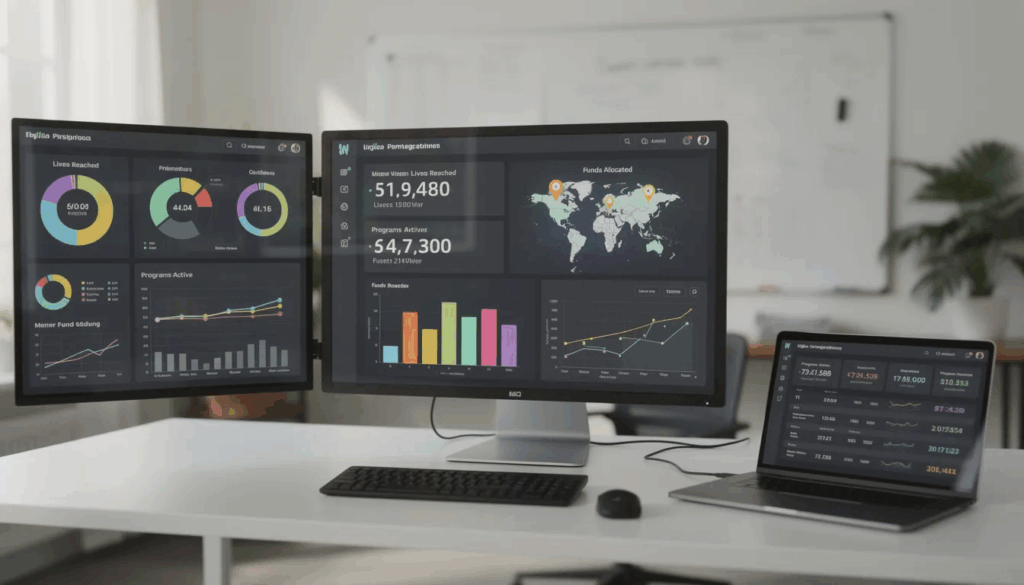
Cloud-based business intelligence tools like Power BI, Tableau Cloud, and Google Data Studio provide user-friendly interfaces for creating interactive dashboards that stakeholders can explore independently. Board members can examine financial trends, program managers can monitor service delivery metrics, and donors can track the impact of their contributions through web-based portals that refresh data continuously.
Collaborative features built into cloud analytics platforms enable shared accountability and transparency. Multiple team members can contribute to dashboard development and interpretation. Comments and annotations help explain trends and outliers. Version control maintains audit trails for reporting changes. Real-time collaboration reduces the time lag between data collection and decision-making that characterized traditional reporting cycles.
The challenge of misinterpretation remains significant, particularly as dashboards make complex data accessible to stakeholders without statistical training. Organizations must invest in data literacy development for staff and board members while designing visualizations that highlight important insights without oversimplifying complex social outcomes. Context and narrative remain essential complements to quantitative metrics, requiring human judgment that automated systems cannot replace.
Responsible AI and Automation for Nonprofits
Artificial intelligence applications in nonprofit cloud environments extend far beyond fundraising optimization to include donor service automation, program triage systems, content translation, and document processing that streamlines administrative tasks and enhances service delivery capabilities.
The emergence of generative AI tools during 2023-2025, including Microsoft Copilot, Google Vertex AI, and Salesforce Einstein, created new possibilities for nonprofit automation. Customer service chatbots hosted on cloud platforms can answer basic questions about program eligibility, application deadlines, and service locations 24/7 in multiple languages. Grant writing assistants help program staff develop compelling proposal narratives while ensuring compliance with funder requirements. Translation services enable real-time communication with diverse beneficiary populations.
A prominent example involves homeless services organizations using AI-powered triage systems to prioritize intake appointments based on vulnerability assessments and available services. These systems, hosted on cloud platforms, analyze multiple data points to identify individuals at highest risk while ensuring fair access to limited resources. However, implementation requires careful attention to bias prevention and human oversight to avoid discriminatory outcomes.
Document processing automation represents another significant application area. Cloud-based AI services can extract key information from application forms, categorize beneficiary feedback, and summarize lengthy reports for executive review. These capabilities are particularly valuable for organizations processing large volumes of paperwork, such as immigration services nonprofits or social service agencies managing complex case files.
The integration of AI tools into existing nonprofit cloud stacks often happens transparently through vendor updates rather than explicit AI adoption decisions. CRM platforms add predictive analytics features. Email marketing tools incorporate send-time optimization. Accounting systems develop expense categorization algorithms. This embedded approach makes AI capabilities accessible to organizations that lack technical expertise while raising questions about algorithmic transparency and control.
Ethical frameworks for nonprofit AI adoption must address unique considerations that commercial applications may overlook. Beneficiary consent processes should explain how AI systems influence service delivery. Bias auditing must account for the vulnerable populations many nonprofits serve. Human-in-the-loop requirements ensure that automated decisions affecting people’s access to services include appropriate oversight and appeal processes.
Several major international NGOs have published responsible AI principles that other organizations can adapt to their contexts. These frameworks typically emphasize transparency, accountability, fairness, and human agency as core values guiding AI implementation. Regular ethical reviews, diverse stakeholder input, and continuous monitoring help ensure that AI tools enhance rather than compromise organizational missions.
As nonprofits continue to harness the power of data and AI, ensuring robust security, privacy, and compliance becomes even more critical, as discussed in the following section.
Security, Privacy, and Compliance in Nonprofit Cloud Use
Nonprofit organizations present attractive targets for cybercriminals seeking access to donor financial information, beneficiary personal data, and sensitive advocacy campaign materials. The shift to cloud-based operations during and after COVID-19 expanded potential attack surfaces while also providing new security capabilities that most organizations could not implement independently. As a result, data security has become a core priority for nonprofits, ensuring the protection of sensitive information and compliance with regulatory requirements.
Cloud Security Features
The 2020-2022 period saw dramatic increases in cyberattacks targeting charitable organizations. Phishing campaigns exploited pandemic-related anxieties to trick staff into revealing credentials. Ransomware groups targeted organizations they perceived as vulnerable due to limited cybersecurity resources. Business email compromise schemes attempted to redirect donor contributions and grant payments to criminal accounts.
Cloud service providers responded to these threats by developing security frameworks specifically tailored to nonprofit needs. Major platforms now offer enhanced security features, compliance certifications, and threat intelligence capabilities that exceed what most individual organizations could afford. These frameworks incorporate advanced security measures such as data encryption, firewalls, identity and access management (IAM), and continuous monitoring to ensure robust data protection and regulatory compliance. However, effective cloud security requires ongoing collaboration between providers and nonprofit clients to implement appropriate controls and maintain security posture over time.
The shared-responsibility model that governs cloud security means that while providers secure the underlying infrastructure, nonprofits retain responsibility for protecting their data through proper access controls, user training, and incident response procedures. This division of responsibilities often results in stronger overall security than organizations could achieve independently, provided they understand and fulfill their obligations appropriately. Additionally, adopting cloud models such as serverless computing can further enhance security by reducing the attack surface and simplifying operations, as infrastructure management is handled by the provider.
Multi-factor authentication (MFA) has become a standard requirement for nonprofit cloud accounts, protecting against compromised passwords that represent the most common attack vector. Role-based access control ensures that staff and volunteers can only access information necessary for their specific responsibilities. Encryption protects data both at rest in cloud storage and in transit between systems. Centralized identity management platforms like Azure Active Directory and Okta for Nonprofits provide single sign-on capabilities while maintaining detailed audit logs.
Compliance Requirements
Organizations handling regulated data face additional compliance requirements that shape their cloud adoption strategies. US nonprofits managing health information must ensure HIPAA compliance through appropriate business associate agreements and security controls. European organizations must comply with GDPR requirements for data protection and privacy. Youth-focused charities must meet enhanced child protection standards for data collection and retention.

Vendor selection criteria for nonprofits increasingly emphasize security certifications and compliance capabilities. ISO 27001 certification demonstrates comprehensive information security management. SOC 2 Type II reports provide detailed audits of security controls and procedures. Industry-specific certifications like FedRAMP for government contractors or HITRUST for healthcare organizations may be required for certain types of nonprofit work.
Regular security training for staff and volunteers has become essential as human error represents the weakest link in most security frameworks. Cloud platforms provide tools for monitoring user behavior, detecting unusual access patterns, and enforcing security policies automatically. However, these technical controls must be complemented by ongoing education about phishing recognition, password management, and incident reporting procedures.
Ethical Data Stewardship
Beyond legal compliance requirements, nonprofits have ethical obligations to handle beneficiary and donor data responsibly, particularly given the vulnerable populations many organizations serve and the trust relationships that underpin charitable giving and service delivery.
The digital transformation accelerated by COVID-19 required organizations to update informed consent processes to address new forms of data collection and analysis. Beneficiaries accessing virtual services needed clear explanations of how video recordings, chat logs, and digital assessments would be used. Donors participating in online campaigns required transparency about data sharing between platforms and marketing automation systems.
Leading nonprofits have published comprehensive data responsibility policies that explain their commitments to privacy, security, and ethical data use in accessible language. These policies typically address data collection practices, sharing limitations, retention periods, and individuals’ rights to access or delete their information. Transparency reports provide annual summaries of data requests, security incidents, and policy updates.
Cross-border data transfers present particular challenges for international nonprofits that must balance operational efficiency with varying national privacy requirements. Cloud providers offer regional data centers and data residency controls that help organizations comply with local regulations while maintaining global coordination capabilities. However, organizations must carefully map data flows and ensure appropriate legal protections for all international transfers.
The integration of AI and analytics tools into nonprofit cloud environments raises additional ethical considerations about algorithmic fairness and transparency. Predictive models used for resource allocation could perpetuate existing inequities if not carefully designed and monitored. Automated decision-making systems that affect service eligibility or funding priorities should include human review processes and clear appeal mechanisms.
Trust relationships with communities and donors can be damaged quickly by poor data practices, making ethical data stewardship a strategic imperative rather than merely a compliance requirement. Organizations that demonstrate strong data protection practices often find that transparent communication about these practices enhances rather than complicates their relationships with stakeholders who increasingly expect responsible data handling.
With a strong security and compliance foundation, nonprofits can further strengthen their resilience and outreach by leveraging cloud-based data backup and streaming services, as detailed in the next sections.
Data Backup and Recovery for Nonprofit Resilience
For nonprofits, safeguarding donor data and protecting your mission-critical operations aren’t just IT priorities, they’re fundamental to maintaining the trust that fuels your impact. Cloud technology has become a game-changer for data protection, offering nonprofits a secure pathway to streamline operations and shield against unexpected disruptions that could derail your mission.
Leading cloud partners like Google Cloud, Microsoft Azure, and Amazon Web Services understand nonprofits’ unique challenges and provide backup solutions that actually work for your budget and goals. These services automatically protect your essential files, donor databases, and program data by storing secure copies across multiple locations. With features like automatic scheduling and rapid recovery, you can quickly restore lost information and get back to serving your community, no extended downtime that keeps you from your mission.
Cloud-based backup also simplifies the complex world of data protection regulations, giving you enterprise-level security controls including encryption and access management without the enterprise price tag. This protection is especially crucial when you’re stewarding sensitive donor information and beneficiary records. By embracing cloud solutions, you eliminate the anxiety of computer crashes or server failures and instead rely on technology that grows with your impact.
Ultimately, cloud-based data protection empowers your team to focus on what matters most, advancing your mission, while knowing your vital information is secure and recoverable when life throws curveballs. With the right cloud strategy in place, you can confidently steward donor trust, maintain seamless operations, and build the resilient foundation your growing impact deserves.
As nonprofits secure their data and operations, they are also turning to cloud-powered streaming services to expand outreach and engagement.
Streaming Services for Outreach and Engagement
In today’s mission-critical digital landscape, streaming services have emerged as powerful vessels for nonprofit organizations to amplify their impact and forge deeper connections with supporters worldwide. Cloud computing serves as the trusted backbone of modern streaming services, empowering organizations with the computing resources and infrastructure needed to deliver high-quality, reliable video content that safeguards your mission while reaching audiences of any size.
Mission-aligned streaming platforms such as YouTube, Vimeo, and Facebook Live empower nonprofits to broadcast live events, educational webinars, and transformational impact stories to a global community. By harnessing cloud computing, organizations can streamline their outreach efforts without the burden of technical limitations or local infrastructure constraints. The flexibility of cloud-based streaming services enables nonprofits to engage supporters in real time, foster authentic community participation, and share their mission with new audiences who are ready to make a difference.
Furthermore, cloud-based analytics tools integrated with streaming services offer invaluable insights into supporter engagement, helping nonprofits understand their community’s behavior and refine outreach strategies that multiply mission impact. These analytics empower content creation decisions, optimize event timing for maximum reach, and measure campaign effectiveness, ensuring that every broadcast delivers transformational results that advance your cause.
By embracing cloud-based streaming services, nonprofits can harness the full potential of cloud computing to expand their reach, deepen meaningful engagement, and propel their mission forward in an increasingly connected world. This technology becomes your trusted navigator, guiding you through the digital landscape while protecting what matters most, your donor relationships and mission-critical impact.
With robust backup, recovery, and outreach tools in place, nonprofits can now focus on best practices to maximize the benefits of cloud computing.
Best Practices for Cloud Computing in Nonprofits
To unlock the full mission-multiplying power of cloud computing, nonprofit organizations should embrace proven practices that protect donor data, streamline operations, and amplify their impact. Your journey begins with understanding your organization’s unique mission needs and partnering with a cloud service provider who truly speaks nonprofit language, offering the right blend of features, scalability, and mission-aligned support that fits your budget and values.
Best Practices for Nonprofit Cloud Adoption:
Assess Your Needs and Goals
Identify your organization’s mission priorities and operational pain points.
Map current systems, workflows, and data flows to highlight areas for improvement.
Select the Right Cloud Service Provider
Choose a provider with nonprofit experience, strong security features, and relevant compliance certifications.
Evaluate available nonprofit discount programs and support services.
Safeguard Donor and Beneficiary Data
Implement enterprise-level data protection through robust encryption, smart access controls, and unwavering compliance with regulations that matter to your community.
Regularly train staff and volunteers on security best practices.
Establish a Cloud Governance Framework
Develop clear policies for data management, user access, and security protocols.
Assign roles and responsibilities for cloud administration and oversight.
Automate Data Backups and Disaster Recovery
Use cloud-based solutions for automated, scheduled backups and rapid recovery.
Test your disaster recovery plan regularly to ensure mission continuity.
Leverage Advanced Technologies
Explore artificial intelligence, machine learning, and edge computing to streamline processes and enhance service delivery.
Stay informed about emerging cloud trends and tools relevant to your mission.
Engage Stakeholders and Provide Training
Involve staff, leadership, and board members in cloud planning and implementation.
Offer ongoing training and support to ensure successful adoption.
Monitor and Optimize Costs
Use cost monitoring dashboards and resource tagging to track spending.
Adjust configurations and negotiate contracts to align with your budget.
By embracing these proven practices and partnering with providers who understand your nonprofit heart, you can confidently navigate the cloud landscape, protect what matters most, and unlock unprecedented opportunities to amplify your impact and accelerate your growth.
Future Trends in Cloud Technology for Nonprofits (2025 and Beyond)
Looking ahead to the remainder of the 2020s, nonprofit cloud adoption is expected to deepen and mature as organizations move beyond basic migration to strategic optimization of their digital infrastructure for enhanced mission impact. The period from 2025 to 2030 will likely see cloud computing become so fundamental to nonprofit operations that organizations will compete based on how effectively they leverage these capabilities rather than whether they adopt them at all.
Artificial intelligence integration will become pervasive throughout nonprofit cloud environments as AI copilots embedded in productivity tools, advanced donor analytics platforms, and intelligent automation systems transform routine operations. Microsoft Copilot integration in Office 365, Google’s Workspace AI features, and Salesforce Einstein capabilities will enable smaller organizations to access sophisticated AI functionality without hiring data scientists or machine learning specialists.
Smarter donor analytics powered by cloud-based AI will enable more precise fundraising strategies that identify optimal ask amounts, predict giving likelihood, and personalize stewardship approaches at scale. These systems will analyze communication preferences, giving history, and engagement patterns to optimize campaign timing and messaging while respecting donor privacy and preferences.
Low-code and no-code platforms will continue expanding, empowering program staff without technical backgrounds to build custom applications, automate workflows, and integrate data sources through visual interfaces. This democratization of application development will enable nonprofits to create specialized tools for their unique needs without relying entirely on commercial software vendors or expensive custom development projects.
Edge computing capabilities will become increasingly important for humanitarian organizations and nonprofits working in areas with limited connectivity. Offline-capable applications that synchronize with cloud systems during brief connectivity windows will enable service delivery in disaster zones, refugee camps, and remote communities where traditional cloud access is unreliable.
Climate change impacts are forecast to increase disaster frequency and severity throughout the decade, making cloud-based emergency response capabilities essential for resilience planning. Organizations will need to design systems that can rapidly scale during crises while maintaining operations when local infrastructure is damaged or overwhelmed.
Sector-specific cloud solutions will mature significantly as vendors develop platforms tailored specifically for food banks, community foundations, legal aid organizations, and other nonprofit specializations. These purpose-built platforms will offer deeper functionality than generic business software while integrating seamlessly with sector-wide data standards and compliance requirements. For organizations looking to enhance their content creation, adopting sector-specific AI tools can provide even more effective communication and outreach.
Regulatory changes affecting cross-border data flows may require organizations to redesign their cloud architectures to maintain compliance while preserving operational efficiency. Brexit, evolving privacy legislation, and geopolitical tensions could fragment the global internet in ways that affect international nonprofit operations.
Donor expectations for transparency and real-time impact reporting will continue increasing, driven by cloud-enabled capabilities that make detailed performance data accessible and shareable. Organizations will need sophisticated data platforms and analytics capabilities to meet these expectations while maintaining appropriate privacy protections for beneficiaries.
How Nonprofits Can Get Started or Mature Their Cloud Strategy
For nonprofit leaders ready to develop or enhance their cloud strategy, success requires a systematic approach that balances mission priorities with technical capabilities and resource constraints. The key is starting with clear organizational goals rather than technology features, then building implementation plans that align cloud investments with programmatic outcomes.
Steps to Get Started or Mature Your Cloud Strategy:
Assess Current Systems and Workflows
Document how staff currently access email, manage donor information, coordinate programs, and share files.
Identify pain points such as remote work challenges, collaboration difficulties, or manual data entry.
Identify Quick Wins
Migrate email and file storage to nonprofit cloud suites like Microsoft 365 for Nonprofits or Google Workspace for immediate benefits.
Leverage nonprofit technology consultants for rapid implementation.
Map Data Flows and Integration Needs
Document how information moves between donor management, accounting, email marketing, and program databases.
Use this map to inform future cloud architecture and avoid vendor lock-in.
Prioritize Applications Based on Mission Impact
Focus on CRM systems or case management platforms that centralize data and automate key processes.
Select tools that offer analytics and reporting to improve fundraising and program effectiveness.
Define Security and Compliance Requirements Early
Identify sensitive data and regulatory obligations.
Partner with cybersecurity professionals to select appropriate vendors and controls.
Engage Stakeholders and Plan for Change Management
Involve program staff, leadership, and board members in planning and feedback.
Provide comprehensive training and ongoing support.
Leverage External Support and Funding
Utilize pro bono consultants, nonprofit technology associations, and vendor-sponsored migration programs.
Explore nonprofit discount programs and grants for cloud services.
Plan for Ongoing Costs and Sustainability
Forecast usage growth and negotiate enterprise agreements for cost predictability.
Diversify funding sources to support long-term cloud operations.
Implement and Iterate
Roll out cloud solutions in phases, gather feedback, and refine processes.
Monitor adoption and adjust training or support as needed.
Cloud technology represents far more than an IT upgrade for nonprofit organizations, it’s a strategic capability that enables faster crisis response, expanded program reach, and enhanced impact measurement in our interconnected world. Organizations that approach cloud adoption thoughtfully, with mission impact as their north star, will find themselves better positioned to serve their communities and demonstrate measurable outcomes to stakeholders who increasingly expect transparency and effectiveness from charitable investments.