
In today’s digital world, technology isn’t just a nice-to-have for nonprofit organizations—it’s essential for maximizing mission impact and operational efficiency. While many nonprofits struggle with limited budgets and technical expertise, the right IT infrastructure can transform how organizations serve their communities, engage donors, and demonstrate positive change to stakeholders.
The statistics speak volumes about the critical role of technology in the nonprofit industry. When organizations invest strategically in IT solutions, they don’t just reduce costs—they unlock new possibilities for collaboration, data-driven decision-making, and scalable growth that directly supports their mission.
Why IT Infrastructure is Critical for Nonprofit Success
- Why IT Infrastructure is Critical for Nonprofit Success
- Essential IT Solutions for Nonprofit Organizations
- Cloud Infrastructure and Data Management
- Cybersecurity and Data Protection for Nonprofits
- Technology Grants and Funding Opportunities
- Managed IT Services vs. In-House IT Teams
- Implementation Strategy and Change Management
- Measuring IT Investment Return and Impact
- Conclusion
Research consistently demonstrates that technology serves as a strategic partner for high-performing nonprofit organizations. According to industry data, 90% of nonprofit leaders report technology as essential to organizational success, while organizations with robust IT systems achieve 34% better collaboration and 82% faster decision-making compared to those with outdated infrastructure.
The shift toward remote work has made technology even more critical for nonprofit leaders managing distributed teams. Modern IT solutions enable remote work capabilities for staff and volunteers across multiple locations, breaking down geographical barriers that once limited an organization’s reach. This flexibility has become essential for attracting top talent and maintaining operations during challenging circumstances.
Perhaps most importantly, proper IT infrastructure supports grant applications requiring digital reporting and compliance. Many funding sources now require real-time data reporting and digital submission processes that are impossible without reliable technology systems. Data-driven insights help nonprofits demonstrate impact to donors and stakeholders, creating compelling cases for continued support and additional funding.
The ripple effects extend throughout every aspect of operations. When teams can access information quickly, collaborate efficiently, and automate routine tasks, they spend more time focused on direct service delivery rather than wrestling with technical challenges.
Essential IT Solutions for Nonprofit Organizations
Modern IT for nonprofits requires a comprehensive approach that addresses productivity, communication, and data management while remaining budget-conscious. The key lies in selecting cloud-based solutions that reduce infrastructure costs and improve accessibility while providing the integration capabilities that connect different systems and eliminate data silos.
Successful nonprofit technology strategies prioritize scalable platforms that grow with organizational needs and budget constraints. Rather than investing in expensive hardware that becomes obsolete quickly, smart organizations focus on software solutions and cloud services that can expand as the organization evolves.
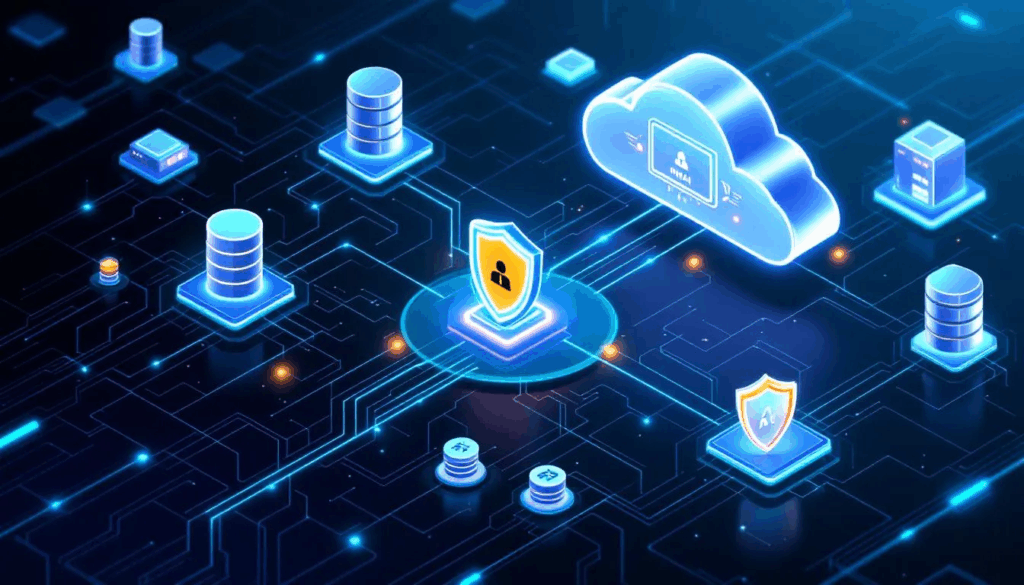
The foundation starts with understanding that technology should serve the mission, not complicate it. Every system and service should have a clear purpose in advancing organizational goals, whether that’s improving relationship management with donors, streamlining financial operations, or enhancing program delivery to beneficiaries.
Productivity and Collaboration Software
The productivity suite serves as the backbone of daily operations for most nonprofit organizations. Microsoft 365 Business Basic stands out as particularly valuable, offering free access for up to 300 nonprofit users through their specialized program. For organizations requiring enhanced security features, Microsoft 365 Business Premium is available at just $5.50 per user per month, providing enterprise-grade security that protects sensitive donor and client data.
Google Workspace for Nonprofits presents another compelling option, offering Gmail, Drive, and collaboration tools specifically designed for mission-driven organizations. The platform excels at enabling teams to work together on documents, presentations, and spreadsheets from any location with internet access.
Communication platforms like Microsoft Teams and Zoom have become indispensable for remote meetings and volunteer coordination. These tools allow organizations to maintain strong connections with stakeholders regardless of physical location. Slack serves similar purposes for internal communication and project management across teams, particularly for organizations managing multiple programs or locations simultaneously.
The choice between platforms often depends on an organization’s existing infrastructure and specific workflow needs. Organizations already using Microsoft products may find seamless integration with the Office suite, while those prioritizing simplicity might prefer Google’s more intuitive interface.
Customer Relationship Management (CRM) Systems
Effective relationship management forms the cornerstone of sustainable nonprofit operations, making CRM systems one of the most critical technology investments. Salesforce Nonprofit Cloud leads the market with its Power of Us Program, providing 10 free licenses to eligible nonprofits along with significant discounts on additional licenses.
For organizations requiring more comprehensive business management capabilities, Microsoft Dynamics 365 Sales Professional offers robust functionality at $16.30 per user per month for nonprofits. The platform integrates seamlessly with other Microsoft products, creating a unified ecosystem for managing donor relationships, volunteer coordination, and program delivery.
HubSpot’s free CRM tier provides an excellent starting point for smaller organizations, offering unlimited users and basic nonprofit features without upfront investment. As organizations grow, they can upgrade to paid tiers that include advanced automation and reporting capabilities.
Blackbaud Raiser’s Edge NXT deserves special mention as a solution designed specifically for fundraising and donor management. While more expensive than general-purpose CRM systems, it offers industry-specific functionality that can significantly improve fundraising efficiency for organizations where donor development is central to sustainability.
The most effective CRM implementations include integration capabilities with email marketing platforms, accounting software, and grant management systems. This connectivity ensures that data flows seamlessly between systems, reducing manual entry and improving data accuracy across the organization.
Financial Management and Accounting Software
Sound financial management becomes even more critical for nonprofit organizations due to compliance requirements and funder expectations for transparent reporting. QuickBooks Nonprofit provides specialized accounting features including fund tracking and donor management, making it easier to maintain the detailed records required for grant compliance and board reporting.
Microsoft Dynamics 365 Business Central, available at $28.00 per user per month for nonprofits, offers comprehensive business management capabilities that extend beyond basic accounting. The platform includes project management, inventory control, and advanced reporting features that support complex organizational needs.
Sage Intacct specializes in addressing complex financial reporting and grant compliance requirements that larger nonprofits often face. The platform excels at managing multiple funding sources, tracking restricted funds, and generating the detailed reports that foundations and government agencies require.
Modern financial management solutions should include integration with payroll systems and expense management platforms to streamline operations and reduce administrative overhead. Built-in reporting tools for board presentations and funder reports save significant time while ensuring accuracy and consistency in financial communications.
Cloud Infrastructure and Data Management

The benefits of cloud migration for nonprofit organizations extend far beyond cost optimization, though the financial advantages are substantial. Cloud solutions improve accessibility by allowing staff and volunteers to access critical information from any device with internet connectivity, supporting the flexible work arrangements that many organizations now require.
Microsoft Azure provides particularly compelling value for eligible nonprofits through annual grant credits worth $2,000. These credits can cover hosting costs, data storage, and advanced analytics capabilities that would otherwise be prohibitively expensive for many organizations.
Amazon Web Services (AWS) offers nonprofit-specific credits and discounted pricing programs that can dramatically reduce infrastructure costs. The platform’s pay-as-you-use model means organizations only pay for the resources they actually consume, making it easier to manage variable workloads and seasonal fluctuations in activity.
Google Cloud for Nonprofits stands out with credits up to $2 million over two years for qualifying organizations. This substantial support can fund sophisticated data analytics projects, website hosting, and backup systems that enhance organizational resilience.
Data backup and disaster recovery solutions represent essential investments in protecting critical information. Cloud-based backup systems automatically protect files, databases, and system configurations, ensuring that organizations can quickly recover from hardware failures, natural disasters, or cybersecurity incidents.
Data Analytics and Reporting Tools
The ability to measure and demonstrate impact has become crucial for nonprofit sustainability, making data analytics tools essential components of modern IT infrastructure. Power BI for nonprofits offers powerful data visualization capabilities free for eligible nonprofits, enabling organizations to create compelling visual representations of their impact and operations.
Power BI Pro, available at just $3 per user per month for qualifying organizations, adds advanced sharing and collaboration features that enable teams to work together on data analysis projects and share insights across the organization.
Google Analytics provides essential insights into website traffic and digital engagement measurement, helping organizations understand how supporters interact with their online presence. This data proves invaluable for optimizing fundraising campaigns and communication strategies.
Tableau for Nonprofits offers discounted access to professional-grade business intelligence tools that can handle complex data analysis projects. The platform excels at combining data from multiple sources to create comprehensive dashboards tracking program outcomes, donor engagement, and operational metrics.
The most effective analytics implementations focus on creating custom dashboards that track key performance indicators aligned with organizational goals. Rather than drowning in data, successful organizations identify the metrics that matter most for their mission and create simple, clear visualizations that inform strategic decisions.
Cybersecurity and Data Protection for Nonprofits
The cybersecurity threat landscape has evolved dramatically in recent years, with cybersecurity for nonprofits becoming an increasingly important topic as nonprofit organizations become attractive targets for cybercriminals. According to 2024 security reports, 60% of nonprofits experienced cyberattacks in the past two years, often because attackers perceive these organizations as having weaker security defenses than businesses.
The consequences of security breaches extend far beyond immediate financial costs. Nonprofits that experience data breaches often face damaged relationships with donors who trusted them with sensitive personal and financial information. The reputational damage can undermine fundraising efforts and program delivery for years following an incident.
Multi-factor authentication implementation across all systems and user accounts represents the most cost-effective security improvement most organizations can make. This simple step dramatically reduces the risk of unauthorized access, even when passwords are compromised through phishing attacks or data breaches at other organizations.

Regular security training for staff and volunteers handling sensitive donor data creates the human firewall that technology alone cannot provide. Many successful attacks exploit human psychology rather than technical vulnerabilities, making education and awareness critical components of comprehensive security strategies.
Endpoint protection and monitoring for computers, tablets, and mobile devices ensures that security extends to every device that accesses organizational systems. Modern endpoint protection solutions can detect and prevent malware infections, unauthorized software installations, and suspicious network communications.
GDPR and HIPAA compliance requirements apply to many organizations handling protected information, creating legal obligations that extend beyond basic cybersecurity practices. Compliance failures can result in significant fines and legal challenges that strain organizational resources and divert attention from mission-critical activities.
Email Security and Phishing Prevention
Email remains the primary attack vector for cybercriminals targeting nonprofit organizations, making email security a critical priority for IT planning. Microsoft Defender for Office 365, included with Business Premium subscriptions, provides advanced threat protection that goes beyond basic spam filtering to detect sophisticated phishing attempts and malicious attachments.
Regular phishing simulation tests help educate staff about social engineering attacks before they encounter real threats. These controlled exercises reveal knowledge gaps and provide opportunities for targeted training that improves organizational security posture.
Email encryption for sensitive communications with donors and beneficiaries protects confidential information from interception during transmission. Modern email systems make encryption relatively transparent to users while ensuring that sensitive data remains protected throughout the communication process.
Spam filtering and malware detection integrated into email systems provide the first line of defense against common threats. However, these automated systems work best when combined with user education and clear policies about handling suspicious messages.
Incident response plans for suspected security breaches or data compromises ensure that organizations can respond quickly and effectively when security incidents occur. Having predefined procedures reduces response time and helps minimize damage when every minute counts.
Technology Grants and Funding Opportunities
One of the most significant advantages of operating in the nonprofit sector is access to specialized funding programs specifically designed to help mission-driven organizations access technology. The Microsoft nonprofit program offers free and discounted software licenses that can save organizations thousands of dollars annually on essential productivity and collaboration tools.
TechSoup has emerged as a crucial resource for nonprofit organizations, providing technology products at significantly reduced costs through partnerships with major technology vendors. The organization serves as a bridge between nonprofit needs and corporate social responsibility programs, making enterprise-level software accessible to organizations with limited budgets.
Google Ad Grants represent a particularly valuable opportunity, offering up to $10,000 monthly in free search advertising for qualifying organizations. This program can dramatically expand an organization’s digital reach and supporter acquisition capabilities without straining marketing budgets.
Foundation grants specifically targeting technology infrastructure improvements have become increasingly available as funders recognize the critical role of technology in organizational effectiveness. These grants often support comprehensive technology upgrades that would be impossible to fund through operating revenues alone.
Strategic planning forms the foundation of successful grant applications and technology adoption. Organizations that can articulate clear connections between technology investments and mission outcomes consistently outperform those that treat technology as a separate operational concern.
Grant Application Process and Requirements
The grant application process typically begins with eligibility verification through platforms like GuideStar, Charity Navigator, or local government registration systems. Many technology grants require organizations to demonstrate their nonprofit status and provide evidence of good organizational governance.
Detailed technology needs assessment documentation becomes crucial for successful applications. Funders want to understand current gaps in technology infrastructure and how proposed investments will address specific organizational challenges and advance mission objectives.
Budget planning must include implementation costs, training expenses, and ongoing maintenance requirements to provide funders with realistic project timelines and resource requirements. Underestimating these additional costs can lead to project failures that damage relationships with funders and delay critical technology improvements.
Timeline development for technology deployment and staff adoption phases demonstrates organizational readiness to manage complex technology projects. Funders favor organizations that show evidence of project management capabilities and realistic expectations about implementation challenges.
Impact measurement plans that demonstrate how technology will advance organizational mission provide the compelling narrative that separates successful applications from those that focus primarily on technical specifications. The most successful applications clearly connect technology investments to improved service delivery and greater mission impact.
Managed IT Services vs. In-House IT Teams

The decision between managed IT services and in-house IT teams represents one of the most significant strategic choices nonprofit organizations face regarding their technology infrastructure. Cost comparison studies consistently show potential 50% savings with managed services compared to maintaining in-house teams when all factors are considered, including salaries, benefits, training, and equipment costs.
Managed service providers offer 24/7 monitoring and support capabilities that small nonprofits cannot maintain internally without significant investment. This constant oversight can prevent minor issues from becoming major problems that disrupt operations and impact service delivery.
Access to specialized expertise in cybersecurity, cloud migration, and compliance represents another significant advantage of partnered approaches. Rather than trying to develop these capabilities internally, organizations can tap into teams of specialists who stay current with rapidly evolving technology trends and security threats.
Predictable monthly costs simplify budget planning and grant applications by converting variable technology expenses into fixed operational costs. This financial predictability makes it easier to plan multi-year budgets and demonstrate sustainability to funders and board members.
U.S.-based help desk services with nonprofit-specific knowledge and experience understand the unique challenges and constraints that mission-driven organizations face. This specialized understanding leads to more effective support and solutions that align with organizational culture and values.
Choosing the Right IT Service Provider
Track record working with nonprofit organizations becomes a critical selection criterion because the sector has unique requirements and constraints that differ significantly from for-profit businesses. Providers with nonprofit experience understand budget limitations, mission focus, and the importance of maximizing every technology dollar invested.
Transparent pricing models without hidden fees or long-term contract requirements allow organizations to make informed decisions and maintain budgetary control. The best providers offer clear, straightforward pricing that helps nonprofits plan effectively and avoid unexpected costs.
Experience with technology grant applications and implementation planning can provide valuable support beyond basic technical services. Providers who understand the grant landscape can help organizations identify funding opportunities and develop compelling applications that increase success rates.
Certifications in relevant technologies including Microsoft, AWS, and cybersecurity frameworks demonstrate provider competence and commitment to maintaining current knowledge. These certifications provide assurance that the provider can effectively support modern technology environments.
References from similar-sized nonprofit organizations in your geographic area offer the best insight into provider performance and cultural fit. Speaking with peer organizations provides realistic expectations about service quality and helps identify potential challenges before making commitments.
Implementation Strategy and Change Management
Successful technology implementations require careful planning that minimizes disruption to ongoing programs and services while ensuring that new systems meet organizational needs. A phased rollout approach allows organizations to learn from early experiences and adjust strategies before full deployment.
Staff training programs must address users across all skill levels to ensure successful adoption throughout the organization. Training strategies should include multiple learning modalities and ongoing support to help users develop confidence with new systems and processes.
Data migration planning becomes crucial for preserving historical records and donor information that form the foundation of organizational relationships and compliance requirements. Poor data migration can result in lost information that takes years to rebuild and may damage critical relationships.
Integration testing between new systems and existing nonprofit software ensures that technology investments work together effectively rather than creating new data silos. Testing should include real-world scenarios that reflect actual organizational workflows and processes.
Performance monitoring and adjustment plans for the first 90 days post-implementation provide opportunities to fine-tune systems and address challenges before they become entrenched problems. This monitoring period often determines the long-term success of technology investments.
Measuring IT Investment Return and Impact
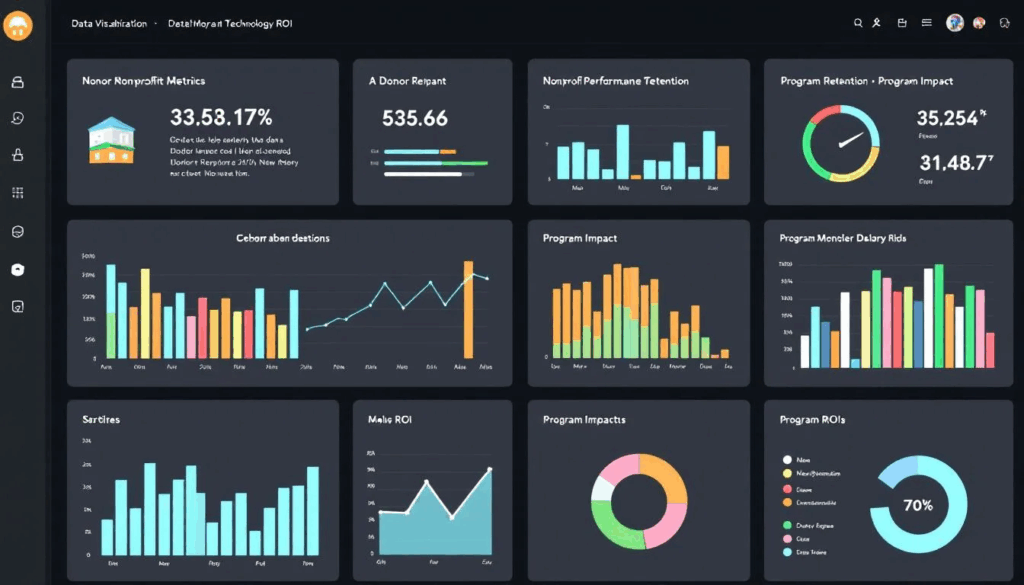
Demonstrating return on investment from technology spending has become essential for nonprofit organizations seeking to justify IT expenses to boards and funders. Research shows that 95% of nonprofit Salesforce customers achieve positive ROI within the first year of implementation, providing a compelling example of how strategic technology investments can deliver measurable value.
Time savings metrics tracking staff productivity improvements and automation benefits provide concrete evidence of technology value. Organizations often find that automation of routine tasks frees up staff time for direct service delivery and relationship building activities that advance mission objectives.
Donor engagement improvements through better CRM and communication tools can be measured through metrics like response rates, retention rates, and average donation sizes. Technology that improves donor experience often leads to increased giving and stronger long-term relationships.
Cost reduction analysis comparing technology expenses before and after modernization helps organizations understand the total financial impact of their investments. While upfront costs may be significant, ongoing operational savings often justify technology investments over time.
Program outcome improvements enabled by better data collection and reporting capabilities demonstrate how technology directly supports mission advancement. Organizations that can measure and communicate their impact more effectively often achieve better fundraising results and increased foundation support.
The most successful organizations establish baseline measurements before implementing new technology and track progress over time to demonstrate continuous improvement. This data-driven approach provides compelling evidence for continued technology investment and helps identify areas for further optimization.
Conclusion
Strategic IT investments represent far more than operational expenses for nonprofit organizations—they serve as catalysts for mission advancement and organizational growth. When nonprofits thoughtfully select and implement technology solutions that align with their values and objectives, they create platforms for increased efficiency, enhanced security, and greater impact in the communities they serve.
The path forward requires balancing immediate needs with long-term vision, leveraging available grants and discounts while building sustainable technology ecosystems. Organizations that view technology as a strategic partner rather than a necessary burden consistently achieve better outcomes for their beneficiaries and stronger relationships with their supporters.
The future belongs to nonprofits that embrace technology not as an end in itself, but as a powerful tool for creating positive change in the world. By investing wisely in IT infrastructure, training, and support, these organizations position themselves to thrive in an increasingly digital world while staying true to their core mission of serving others.