
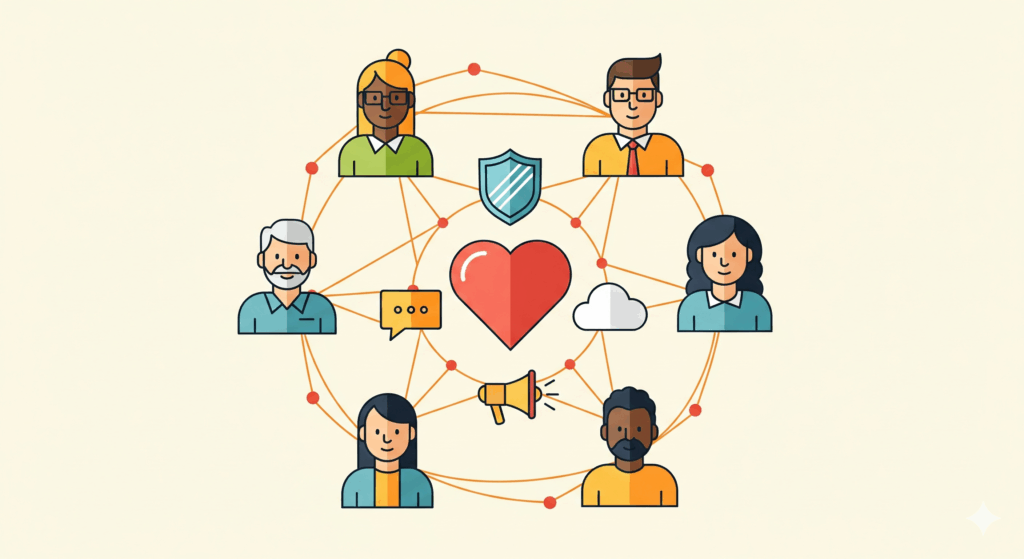
TL;DR: Nonprofit customer service excellence means delivering responsive, empathetic support to donors, beneficiaries, and volunteers across every channel. It directly impacts retention and fundraising outcomes. This guide outlines top strategies for nonprofit customer service excellence, including staff training, CRM adoption, feedback loops, and omnichannel communication frameworks.
Nonprofit customer service directly impacts your mission’s success. This article provides strategies to improve interactions with donors, recipients, and volunteers, ensuring your community feels valued and engaged.
Key Takeaways
- Understanding the unique needs of donors, service recipients, and volunteers is crucial for enhancing customer satisfaction in nonprofits.
- Building trust through transparency and effective communication strengthens relationships with stakeholders and fosters long-term loyalty.
- Investing in training, utilizing technology, and establishing recognition programs are essential for creating a culture of customer service excellence in nonprofit organizations.
Identifying Your Nonprofit "Customers"

Understanding who your consumers are is the cornerstone of delivering exceptional service. In the nonprofit world, the term “customers” encompasses more than just the people who receive your services. Nonprofit organizations typically have three main customer groups: recipients of services, donors, and volunteers. Each group has unique needs and motivations, and understanding these can significantly enhance customer satisfaction.
Donors, service recipients, and volunteers each play a vital role in supporting your mission:
- Donors contribute their money, time, and resources and need to feel valued and appreciated to continue their support.
- Service recipients are critical customers whose needs should be prioritized to ensure effective service delivery.
- Volunteers bring their time and skills, and their contribution is crucial for fostering a sense of value belonging within your organization.
Creating a service-oriented culture that prioritizes these stakeholders can lead to increased engagement and satisfaction, ultimately enhancing the overall health profit of your created nonprofit.
Donors
Donors are the lifeblood of many nonprofit organizations, and understanding their wants, needs, and motivations is crucial. Building long-term relationships with donors promotes repeat donation contributions. It also creates a sense of ownership in the success of the nonprofit. Personalized communication, thanking donors, and publicly recognizing their contributions are key to maintaining donor loyalty and dedication.
Effective stewardship involves intentional engagement, appreciation, and communication of the impact their contributions make. Keeping donors informed about how their contributions are making a difference helps in strengthening their relationship with the organization. Expressing gratitude through various means, such as social media features and official recognition, further appreciates donors and encourages continued support.
Recipients
Service recipients are at the heart of a nonprofit’s mission. Ensuring that they have straightforward access to information and services is crucial for enhancing their overall experience. Training programs should focus on developing skills like empathy and active listening to foster better customer relations.
Understanding and address the unique needs of recipients not only improves service delivery but also builds trust and loyalty. By treat recipients with respect and prioritizing their concerns, nonprofits can create a positive and supportive environment that encourages engagement and satisfaction.
Volunteers
Volunteers are the unsung heroes of the nonprofit world. Engaging a volunteer is crucial for fostering a sense of belonging and dedication within a nonprofit organization. Implementing recognition programs to celebrate their contributions can motivate continued excellence.
Regularly training staff and volunteers on best practices in customer service, emphasizing empathy and active listening, can significantly improve interactions with all stakeholders. By making volunteers feel valued and appreciated, nonprofits can build a committed and motivated team dedicated to the organization’s mission.
Building Trust Through Transparency

Trust is the bedrock upon which successful nonprofit organizations are built. It relates directly to how people view the use of their money and time in nonprofit organizations. Effective communication in nonprofit organizations involves a two-way exchange with stakeholders, ensuring clarity and engagement.
Clear goals, transparent accounts, and easy communication are necessary for a positive image of a nonprofit. Actively seeking feedback and being transparent about how it is used can lead to more engaged supporters and provide full details to ensure their satisfaction.
Understanding and addressing the unique needs of various stakeholders is essential for nonprofits to foster loyalty and engagement.
Clear Communication
Building trust with donors requires being as transparent as possible about donations. Key steps include:
- Providing donors with complete information regarding the destination of their contributions.
- Informing donors about who benefits from their donations.
- Developing educational materials, one-sheets, or key talking points to help ensure transparency for donors.
Nonprofits that provide good customer service and great customer service always emphasize clear communication, ensuring that all stakeholders understand the organization’s mission and activities. This transparency fosters a sense of trust and reliability among companies and businesses, essential for building long-term relationships. Non profit organizations play a crucial role in this ecosystem.
Open Channels
Maintaining open communication channels is vital for accountability and responsiveness in nonprofit organizations. Nonprofits can collect feedback from their community through:
- Online surveys
- Chat
- Calls Ensuring prompt responses to phone calls and emails demonstrates respect and dedication to customer needs.
By keeping these channels open and responsive, nonprofits can show their commitment to their stakeholders, fostering a culture of trust and reliability.
Enhancing Customer Service with Feedback

Feedback is essential in customer service as it helps identify areas of success and improvement. Gathering honest and constructive feedback is made more likely through good service experiences. Implementing initiatives that acknowledge and celebrate contributions of staff and volunteers can enhance motivation and service quality.
Key practices for managing testimonials and donor relations include:
- Proactive outreach to stakeholders to ensure their stories are captured meaningfully.
- Transparent operations to enhance donor confidence, improving relationships and funding opportunities.
- Establishing strong communication and recognition practices to significantly enhance donor retention and satisfaction.
Online Surveys
Online surveys can help nonprofits in several ways:
- Reveal specific areas where nonprofits can improve their services.
- Enhance the ability to gather diverse perspectives from stakeholders.
- Establish feedback mechanisms that allow nonprofits to adapt based on donor input, fostering a two-way relationship.
Maintaining open communication channels enhances accountability and fosters stronger relationships with stakeholders. This proactive approach to feedback ensures that nonprofits remain responsive and engaged with their community.
Testimonials
Testimonials serve as powerful endorsements that reinforce the mission and effectiveness of nonprofit organizations. Collecting testimonials from donors and recipients allows nonprofits to understand their experiences and adjust services accordingly. Feedback derived from testimonials can be used to identify areas for growth and improve services.
Creating a culture that values testimonials encourages both staff and volunteers to strive for customer service excellence. These authentic stories can serve as compelling evidence of the nonprofit’s impact and effectiveness.
Effective Communication Strategies
Effective communication strategies are the backbone of customer service excellence. Investing in automation can free up staff time, allowing them to focus more on personal connections with customers. Utilizing automation tools can optimize operational efficiency, freeing up staff to dedicate more time to direct interactions with clients.
Implementing effective communicating strategies ensures that all interactions with customers are meaningful and impactful. Utilizing technology can streamline communication, enhance engagement, and improve response times for nonprofits.
Personalized Messages
Personalized communication fosters a sense of belonging and connection among donors, recipients, volunteers, and contact. Segmenting donor communication based on giving levels can create a more engaging and relevant interaction.
Training emphasizes the importance of empathy and active listening, which are critical for improving customer interactions. Personalized messages help to create a strong understanding of the organization’s mission among stakeholders, resulting in deeper commitments.
Timely Responses
Responding quickly to inquiries reflects an organization’s commitment to respect and customer satisfaction. Quick replies to inquiries show commitment to donor satisfaction and foster trust in the organization. Responding quickly to donor inquiries fosters trust and shows that the organization values the time and contributions of its supporters, providing a clear answer to their needs.
This approach enhances overall customer satisfaction and demonstrates the nonprofit’s dedication to its stakeholders.
Investing in Training and Resources

Providing ongoing training for staff and volunteers helps foster a deeper understanding of customer service principles in nonprofit organizations. Utilizing advanced technology in non-profits is essential to streamline operations and enhance service delivery.
Implementing employee recognition programs can significantly enhance motivation and commitment among nonprofit employees. Providing free online courses can significantly enhance the skills of nonprofit staff and volunteers.
Customer Service Training
Regular employee training is essential in nonprofit customer service as it equips staff with necessary communication skills. Courses designed for customer service staff can improve retention rates and job satisfaction by equipping them with essential communication skills.
Training programs should incorporate role-play and interactive exercises to enhance skills like empathy and active listening among staff. Emphasizing empathy and active listening is critical for providing exceptional customer service in nonprofit organizations and the process of training.
Automation Tools
Investing in automation tools can significantly enhance the customer service experience in nonprofit organizations. Customer relationship management (CRM) systems can be implemented to track interactions and tailor communications effectively.
Social media platforms serve as vital automation tools for engaging with the community, sharing updates, and responding to feedback promptly. By automating processes, nonprofits can allocate more time to focus on personal interactions and support for their customers.
Leveraging Technology for Better Service

Nonprofits can benefit from services like 24-hour call centers and virtual assistants to handle queries and secure donations. A live answering service provides nonprofits with 24/7 presence, allowing them to cover key times and support their operations more effectively than in-house staff alone.
Utilizing technology is essential for nonprofits to improve customer service and engagement, ensuring they meet the needs of their community effectively. This approach not only enhances service delivery but also ensures that nonprofits remain responsive and engaged with their stakeholders.
CRM Systems
Implementing customer relationship management systems allows non-profits to manage donor interactions and tailor communication strategies. Modern nonprofit CRMs not only store donor details but also support fundraising efforts through engagement and communication tools.
Effective CRMs allow for detailed tracking of donor interactions, which helps organizations personalize outreach and strengthen relationships. Implementing CRM systems allows nonprofits to analyze donor data, helping tailor communications and improve fundraising strategies.
Social Media
Social media serves as a vital tool for nonprofits to engage their audience and receive immediate feedback. Nonprofits can leverage social media to foster community interaction, share important updates, and gather real-time feedback.
Consistent posting and interaction on social media platforms can significantly increase a nonprofit’s visibility and community connection. Engaging with followers on social media enables nonprofits to respond quickly to inquiries, enhancing overall customer service.
Creating a Culture of Customer Service Excellence
Developing an environment that promotes exceptional customer service requires consistent commitment from all levels of the organization. Establishing a strong customer service culture involves defining behaviors and setting expectations that align with organizational goals.
Leadership Commitment
Effective leadership in nonprofit organizations plays a critical role in fostering employee engagement and commitment to customer service values. Leadership in nonprofits plays a crucial role in modeling and advocating for high standards of customer service.
Leaders in nonprofit organizations must actively demonstrate the significance of customer service through their actions and decision-making. By setting high standards and leading by example, leaders can foster a culture of customer service excellence within their organizations.
Recognition Programs
Engaging and motivating volunteers through recognition fosters a sense of belonging and dedication. Recognition programs help build loyalty and sustain motivation among staff and volunteers, driving them to maintain high performance.
Regular training on customer service best practices emphasizes the role of recognition in fostering positive experiences. Implementing recognition programs is essential for creating a culture of excellence in customer service. By acknowledging the efforts of staff and volunteers, nonprofits can boost morale and reinforce the importance of exceptional customer service.
Summary
In the nonprofit sector, customer service excellence is not just a goal but a necessity. Identifying your nonprofit customers and understanding their unique needs sets the foundation for building strong, lasting relationships. Building trust through transparency, enhancing service with feedback, and implementing effective communication strategies are all critical steps toward achieving customer satisfaction.
Investing in training and resources, leveraging technology, and creating a culture of customer service excellence ensure that your organization remains responsive and engaged with its stakeholders. Ultimately, the commitment to providing excellent customer service will not only foster loyalty and support but also amplify the impact of your nonprofit’s mission. Let your dedication to service excellence be the driving force that propels your organization to new heights.
Frequently Asked Questions
Why is understanding the different customer groups important for nonprofits?
Understanding different customer groups is crucial for nonprofits, as it enables them to customize services and communication to meet the specific needs of donors, recipients, and volunteers, ultimately enhancing engagement and satisfaction.
How can nonprofits build trust with their stakeholders?
Nonprofits can effectively build trust with stakeholders by ensuring transparency in operations and finances, cultivating open communication, and actively engaging with feedback. This approach fosters credibility and strengthens relationships with the community.
What role does feedback play in improving nonprofit customer service?
Feedback is vital for nonprofits as it reveals strengths and weaknesses in their services, enabling necessary adjustments to boost customer satisfaction. Utilizing testimonials and online surveys are effective strategies for gathering this valuable input.
How can technology enhance customer service in nonprofits?
Technology can significantly enhance customer service in nonprofits by improving communication, response times, and donor management through tools like CRM systems and social media. By leveraging these technologies, nonprofits can better focus on building personal connections with their stakeholders.
What are some effective ways to recognize the contributions of volunteers and staff?
Recognizing the contributions of volunteers and staff can be effectively achieved through dedicated recognition programs and public acknowledgment of their efforts. This not only motivates individuals but also fosters a strong sense of belonging within the team.