
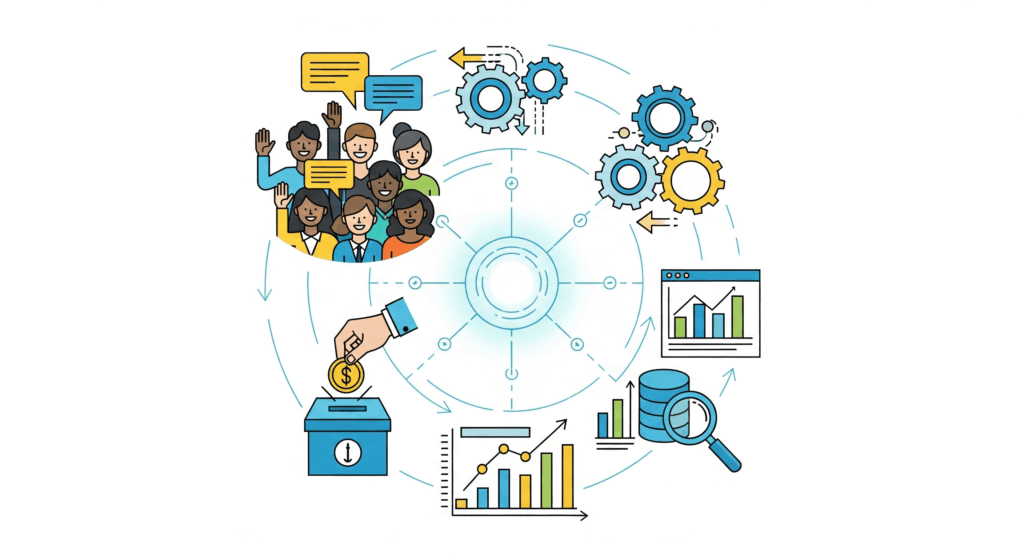
TL;DR: Nonprofit tech solutions span donor management, cloud infrastructure, cybersecurity, and automation tools that help organizations do more with limited budgets. The right technology stack amplifies impact without draining resources. This guide identifies the top nonprofit tech solutions by category and explains how to evaluate, implement, and fund them.
Many nonprofits struggle to effectively engage their communities and raise funds with limited staff, outdated tools, and manual processes that drain valuable time. Without the right technology, organizations fall behind — missing opportunities to connect with donors, coordinate volunteers, and amplify their mission.
The good news: affordable and free technology solutions now exist to solve these exact challenges. From donor management platforms to AI-powered outreach tools, this article outlines the essential nonprofit tech stack that empowers organizations to work smarter, reach farther, and drive meaningful change.
- Key Takeaways
- Connecting Through Nonprofit Tech
- Enhancing Impact with Nonprofit Software
- Professional Development in Nonprofit Tech
- Leveraging AI for Greater Impact
- Advocating for Equity in Nonprofit Technology
- Job Placement Assistance for Nonprofit Tech Professionals
- Success Stories: Nonprofits Thriving with Tech
- Summary
Key Takeaways
Nonprofit tech is focused on creating inclusive platforms to enhance community engagement and drive social change.
Advanced software tools like fundraising and data management solutions significantly improve nonprofit efficiency and donor engagement.
Ongoing professional development, including training and networking, is essential for nonprofit professionals to stay updated in a tech-driven landscape.
Connecting Through Nonprofit Tech
Nonprofit technology has revolutionized how organizations collaborate and connect with their communities. Tech allows nonprofits to bridge gaps, enhance communication, and drive social change. However, to truly harness the power of technology, nonprofits must address existing disparities within the sector. These digital tools also help organizations and their communities stay connected, ensuring ongoing engagement and support.
Connecting through tech is not just about adopting the latest tools; it’s about creating inclusive and equitable platform that serves all community members effectively.
Online Communities
Online communities have become a cornerstone of nonprofit technology, providing platforms where members can ask questions, give answers, give advice, and share resources. These digital spaces foster knowledge sharing and collaboration, significantly enhancing the capacity of nonprofits.
By engaging supporters through online communities, nonprofits can grow support for their missions, leveraging digital tools to expand outreach and mobilize individuals committed to their cause.
Online networks provide nonprofits with opportunities to support their missions and transform communities. The collective strength of these communities helps nonprofits navigate challenges and optimize their impact.
Virtual Events
Virtual events have emerged as a vital tool for nonprofits, offering opportunities to engage partners and stakeholders who may not attend in-person meet. These events can be fun and engaging, making participation more appealing for donors and volunteers. They also facilitate important talks and discussions among stakeholders by linking conversations directly to topics covered during sessions, fostering deeper engagement.
Additionally, virtual conferences and webinars provide valuable networking opportunities, allowing nonprofit leaders to share insights and learn from each other. Hosting virtual events allows nonprofits to expand their reach and enhance projects.
Enhancing Impact with Nonprofit Software
Nonprofit software solutions have become indispensable in enhancing the impact of organizations. Cloud services are increasingly used to enhance operational efficiency and cost savings for nonprofits. These tools help foundations, corporations, governments, and public agencies achieve better outcomes, raise more funds, and scale their impact. Automating tasks like grants approvals and fund disbursement helps nonprofit professionals save valuable time by streamlining operations and allowing them to focus on their missions.
The following subsections will delve into specific software tools that are driving greater impact in the nonprofit sector.
Fundraising Tools
Fundraising tools are essential for nonprofits to streamline their fundraising efforts and improve donor engagement on their website. Marketing automation plays a crucial role in managing fundraising campaigns, enabling nonprofits to efficiently handle email marketing, social media outreach, and donor communications. Donation pages, for example, allow nonprofits to create tailored online donation experiences that resonate with donors. Artificial intelligence is transforming nonprofit marketing and fundraising strategies by enabling organizations to analyze donor data, personalize outreach, and optimize campaign performance. AI tools have further revolutionized fundraising by increasing efficiency and response rates from appeals. For instance, charity: water utilized machine learning algorithms to predict donor retention, significantly reducing attrition rates.
Advanced CRM systems have led to substantial increases in donor retention and engagement, enhancing fundraising capabilities. The combination of tailored donation pages, AI tools, artificial intelligence, and CRM systems significantly boosts fundraising and marketing efforts. Nonprofits that adopt these technologies can streamline their operations, improve communication strategies, and ultimately raise more money to support their projects.
Data Management Solutions
Effective data management solutions are crucial for nonprofits to track and analyze their impact. Benefits and uses include:
AI tools can automate repetitive tasks like data entry, allowing staff to focus on more impactful work while maintaining accurate data records.
Data-driven decision-making enables nonprofits to enhance their impact reporting, attracting additional funding and support. Data management tools also help nonprofits oversee their finances by organizing donor data and supporting financial activities.
Data management tools enable nonprofits to efficiently track performance metrics and donor engagement, resulting in better-informed decisions and greater impact.
Overall, the adoption of data management solutions improves organizational efficiency and supports informed decision-making. Nonprofits that leverage these tools can optimize their operations and demonstrate their effectiveness to stakeholders, thereby enhancing their overall impact.
Project Management Tools
Project management tools play a vital role in helping nonprofits with planning, maintaining project timelines, and managing budgets efficiently. These platforms allow organizations to allocate resources effectively and ensure adherence to budgets for their initiatives.
Effective planning is essential for successful project execution, as it helps nonprofits anticipate challenges and allocate resources wisely.
Project management software helps nonprofits track budgets and timelines, enhancing project execution and organizational efficiency.
Professional Development in Nonprofit Tech
Continuous learning is essential for nonprofit professionals to keep pace with technology and sector trends. Engaging in professional development helps nonprofit staff enhance their operational effectiveness and stay updated with industry standards.
Professional development programs often provide access to expert insights from industry leaders, allowing nonprofits to refine their strategies and improve project outcomes.
The following subsections will explore various training programs, certification courses, and workshops available for nonprofit tech professionals.
Training Programs
Online training options allow nonprofit professionals to learn at their convenience from various locations. Many nonprofit training programs offer:
Over 600 free online courses aimed at various skills, including fundraising and program management
Valuable resources for individuals entering the nonprofit tech industry, including webinars and career guidance
Training initiatives that often include mentorship opportunities connecting participants with experienced professionals in the field.
Programs like Merit America focus on building both technical and soft skills essential for success in the job market. These flexible online courses help individuals gain in-demand tech skills while working, significantly enhancing their career prospects.
Training programs for nonprofit staff on new technology have led to significant increases in service delivery, such as health education and improved healthcare access in remote areas.
Certification Courses
Certification courses are crucial for validating expertise in nonprofit technology. These courses provide a structured method for nonprofit professionals to enhance their skills and demonstrate their registration proficiency in the tech sector.
Earning professional certificates builds skills and credibility, making individuals more competitive in the nonprofit job market and enhancing their education.
Workshops and Webinars
Workshops and webinars play a crucial role in providing nonprofit professionals with practical knowledge that can enhance their skills and effectiveness. These programs create valuable networking opportunities, allowing participants to connect with peers and industry leaders. Engaging in workshops and webinars is essential for continuous professional development in the nonprofit sector.
The success rate for alumni of programs like Merit America indicates that a significant portion experiences positive career changes post-completion. Participating in these training sessions keeps nonprofit professionals updated with best practices and tools, ultimately improving their organizations’ operations and impact.
Leveraging AI for Greater Impact
Technology has the potential to change the world, and when approached differently, it can lead to huge improvements in nonprofit operations. Leveraging AI is one such approach that can enhance the impact of nonprofit organizations.
The following subsections will explore AI-powered tools and case studies that demonstrate the transformative potential of AI in the nonprofit sector.
AI-Powered Tools
AI-powered tools are designed to simplify various processes and provide insights into donor behaviors. For example, some fundraising software enables automated thank-you messages to donors, improving engagement and retention. Tools like Grant Assistant and DonorSearch AI streamline grant writing and prospect research, significantly improving fundraising efforts for nonprofits.
Momentum offers AI-driven engagement tools that help nonprofits accelerate:
Improve donor communications and relationships by automating responses and providing engagement strategies.
Use predictive analytics powered by AI to identify potential major donors.
Personalize communication strategies for better engagement.
Data management tools enable nonprofits to effectively track performance metrics and donor engagement over time, allowing for informed decision-making and enhanced impact. ChatGPT serves as a versatile AI tool for nonprofits, assisting with research and campaign development.
Case Studies
The American Cancer Society improved donation conversion rates by 400% by using machine learning to optimize their messaging and communication channels, demonstrating the power of AI in enhancing nonprofit operations. Similarly, the International Rescue Committee implemented a chatbot to efficiently process asylum claims, significantly speeding up the application process. These case studies illustrate how AI solutions can lead to significant improvements in nonprofit processes and mission achievement.
AI technology is transforming the way nonprofits operate by enhancing communication, improving processes, and increasing overall efficiency. AI enables nonprofits to achieve greater impact and better serve their communities.
Advocating for Equity in Nonprofit Technology
Addressing inequities within the nonprofit sector is crucial for meeting community needs effectively. The Equity Guide for Nonprofit Technology aims to advance skillful and equitable use of technology, ensuring that all communities can benefit from nonprofit tech.
The following subsections will discuss accessibility initiatives and equity pledges that promote fairness and justice in nonprofit technology practices.
Accessibility Initiatives
Digital accessibility initiatives are essential for nonprofits to ensure technology is usable by individuals with disabilities. By prioritizing digital accessibility, nonprofits can improve inclusivity and bridge the gap for underserved communities.
Effective technology implementation has led to significant improvements in local services and resources, fostering community resilience and empowerment.
Equity Pledges
Equity pledges are commitments by organizations to prioritize equity in technology use, funding, and creation. Making these pledges aligns organizations’ technology practices with their commit to invest in fairness and justice.
This approach ensures that all communities benefit from nonprofit tech solutions.
Job Placement Assistance for Nonprofit Tech Professionals
Job placement assistance is crucial for supporting individuals pursuing careers in nonprofit tech. Programs like Merit America provide targeted job placement assistance tailored for individuals entering nonprofit tech careers.
The following subsections will explore career resources and networking opportunities available for nonprofit tech professionals.
Career Resources
Many organizations provide resources specifically for individuals looking to start or advance their careers in nonprofit tech, including:
Job placement assistance and mentorship programs
Access to job boards and platforms tailored to nonprofit organizations, helping job seekers connect with suitable roles
Various training programs to equip prospective nonprofit tech professionals with essential skills, fostering growth and expertise in the field.
Networking opportunities, such as conferences and local meetups, help connect job seekers with industry professionals and potential employers in the nonprofit tech sector. These resources are invaluable for individuals looking to build a successful career in nonprofit tech.
Networking Opportunities
Networking opportunities are crucial for job seekers in the nonprofit sector, providing connections that can lead to employment. Programs like Merit America connect graduates with a network of alumni and employers to facilitate job opportunities in the tech sector.
Dedicated job search support teams work with graduates to help them identify and pursue specific job openings as a team.
Success Stories: Nonprofits Thriving with Tech
Success stories from the nonprofit sector demonstrate the transformative power of technology. By integrating tech solutions, nonprofits have enhanced their efficiency, reached their goals more effectively, and fostered greater community involvement.
The following subsections will highlight specific examples of nonprofits thriving with tech, focusing on young women in tech and community transformation.
Young Women in Tech
Young women are increasingly stepping into leadership roles within nonprofits, driving tech initiatives that enhance community engagement and outcomes. These inspiring individuals are not only leveraging the latest technology to improve nonprofit operations but are also fostering a culture of innovation and empowerment within their organizations.
Their contributions are paving the way to bring future generations of young people to lead tech projects and grow action serving to make a significant impact step.
Community Transformation
Effective use of technology in nonprofits has been pivotal in transforming communities, enabling them to better address social challenges. For instance, a nonprofit that implemented an online donor management system increased donations by 50% in a year, allowing them to expand their programs significantly. Another success story involves a nonprofit using mobile apps to engage volunteers, resulting in a 30% increase in volunteer participation over six months. These tech integrations have not only driven funding but have also fostered a greater sense of community involvement and support among local residents.
Looking ahead, nonprofits that embrace digital tools and platforms can redefine their roles in their communities and amplify their advocacy efforts. Effective technology implementation enables nonprofits to embark on a journey of transformation, creating lasting change and achieving greater impact.
Summary
In summary, nonprofit tech solutions are revolutionizing the sector, enabling organizations to enhance their impact and drive meaningful change. These technology solutions are making a significant impact across the globe, helping nonprofits worldwide achieve their missions. From online communities and virtual events to AI-powered tools and equity initiatives, technology is empowering nonprofits to connect, collaborate, and thrive. As we continue to navigate the ever-evolving landscape of nonprofit technology, it’s crucial to embrace innovation, advocate for equity, and invest in professional development. By doing so, we can ensure that all communities benefit from the transformative power of tech, creating a brighter and more equitable future for all.
Frequently Asked Questions
How can online communities benefit nonprofits?
Online communities are a game-changer for nonprofits, as they create a space for knowledge sharing and collaboration. This not only boosts capacity but also connects members to exchange valuable resources and support.
What role do virtual events play in nonprofit operations?
Virtual events are essential for nonprofits as they connect with a broader audience, foster ongoing discussions, and create valuable networking opportunities. They help ensure that everyone, regardless of location, has a chance to engage and contribute.
How can AI-powered tools enhance fundraising efforts for nonprofits?
AI-powered tools can boost your nonprofit’s fundraising by streamlining the donation process and offering valuable insights into donor behaviors. This means you can personalize your outreach, engage donors more effectively, and improve retention.
Why are equity pledges important in nonprofit technology?
Equity pledges are crucial in nonprofit technology because they ensure fairness and justice, allowing all communities to benefit from tech solutions. This commitment helps bridge gaps and creates a more inclusive environment for everyone involved.
What career resources are available for nonprofit tech professionals?
Nonprofit tech professionals can tap into a variety of resources, like job boards, mentorship programs, and networking opportunities that cater specifically to their field. These tools can really boost your career and help you connect with like-minded individuals!