
Fractional CIO vs Full-Time CIO vs In-House IT: How Nonprofits Should Decide
Fractional CIO, full-time CIO, or in-house IT? Decision guide with costs, decision tree by org size, hybrid models, and when to switch.

Fractional CIO, full-time CIO, or in-house IT? Decision guide with costs, decision tree by org size, hybrid models, and when to switch.

Learn what a fractional CIO does, what it costs, and whether your nonprofit needs one. Compare vCIO, fractional, and full-time CIO models.
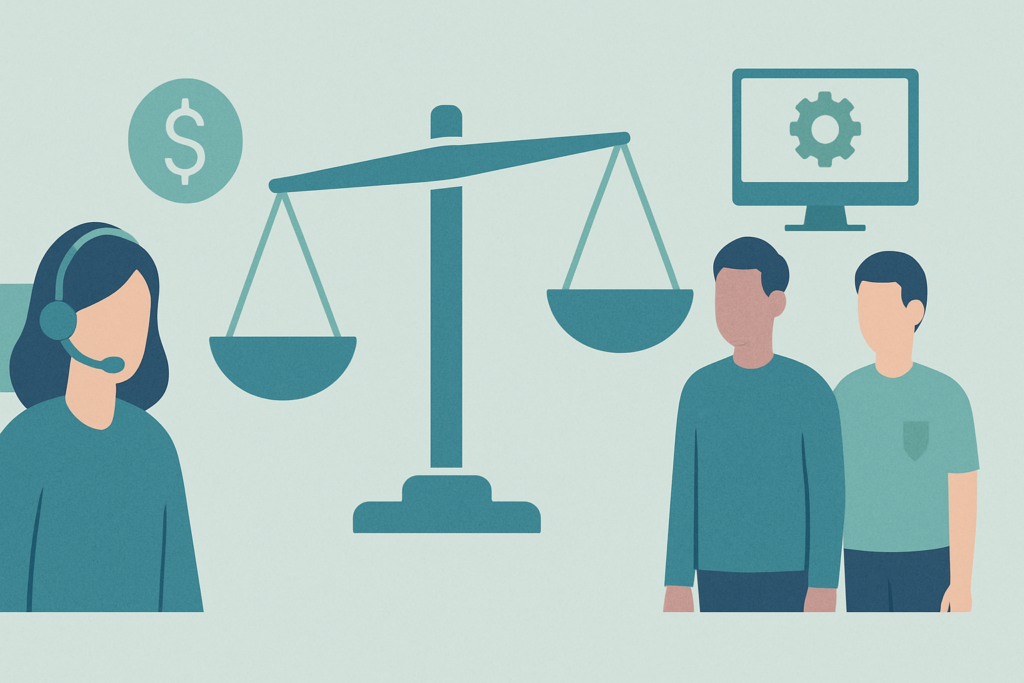
Compare nonprofit IT consulting vs in-house IT support with real cost data, pros and cons, and guidance on finding the right IT model for your organization.
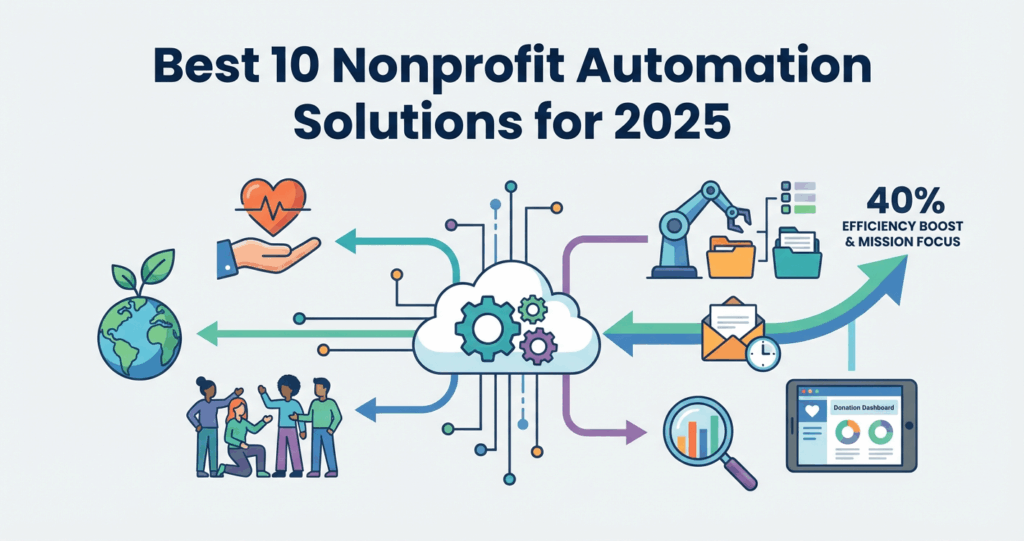
Are you overwhelmed by the administrative burdens of running a nonprofit? In 2025, organizations that embrace automation are seeing up to a 40% increase in efficiency, allowing them to focus more on their mission. This article will unveil the top 10 nonprofit automation solutions that can transform your operations, streamline

Nonprofit customer service directly impacts your mission’s success. This article provides strategies to improve interactions with donors, recipients, and volunteers, ensuring your community feels valued and engaged. Key Takeaways Understanding the unique needs of donors, service recipients, and volunteers is crucial for enhancing customer satisfaction in nonprofits. Building trust through

TL;DR: A fractional CIO gives your nonprofit executive-level technology leadership at a fraction of the cost of a full-time hire. They align your tech strategy with your mission, strengthen cybersecurity, and help you stop wasting money on tools that do not work together. Most nonprofits pay $3,000-$8,000 per month instead