How to Run a Cloud Migration for Nonprofits: A Security-First, Step-by-Step Guide
Moving to the cloud without a security plan creates more risk than it solves. Here is how Scottship Solutions runs a secure cloud migration for nonprofits.

Moving to the cloud without a security plan creates more risk than it solves. Here is how Scottship Solutions runs a secure cloud migration for nonprofits.
Healthcare IT guide covering HIPAA compliance, 2026 Security Rule updates, and essential IT services for medical practices.
TL;DR: Since 2020, nonprofits have moved donor management, fundraising, program delivery, and backups to cloud platforms like Microsoft 365, Google Workspace, AWS, Azure, and Google Cloud, cutting IT costs and supporting remote teams. This guide explains the SaaS, PaaS, and IaaS service models, the security and compliance basics, and a
TL;DR: AWS is the world’s largest cloud computing platform, with more than 200 services (compute like EC2, storage like S3, and databases like RDS) across 32 regions and pay-as-you-go pricing that can cut infrastructure costs 20 to 50 percent versus on premises hardware. This guide covers AWS services, global infrastructure,

TL;DR: A cloud server is virtualized computing you rent over the internet instead of buying and housing physical hardware, which lets nonprofits trade large upfront costs for pay-as-you-go pricing that starts around $5 per month, scales in minutes, and delivers enterprise-grade security with 99.9% uptime. This guide from Scottship Solutions

TL;DR: Cloud applications run on remote servers you reach through a web browser or mobile app, and they come in three service models (SaaS, PaaS, and IaaS) that trade control for convenience. They lower infrastructure costs, scale on demand, and strengthen security and accessibility, while internet dependency, vendor lock-in, and

TL;DR: Managed platforms (PaaS) handle your infrastructure so your team can focus on building software. They offer auto-scaling, built-in security, faster deployments, and typically cut total infrastructure costs by 20-40% compared to self-hosting. Best for organizations that want speed and reliability without hiring dedicated ops staff. Scottship Solutions helps you
TL;DR: IT cloud services for nonprofits break down into three categories: IaaS (virtual servers), PaaS (development platforms), and SaaS (ready-to-use software). Scottship Solutions guides nonprofits to start with SaaS tools like Microsoft 365, Google Workspace, or Salesforce Nonprofit Cloud, then add IaaS or PaaS only for custom application needs. A
TL;DR: Cloud managed services hand the day to day management of your cloud infrastructure to a third party provider so your team can focus on core operations, control costs, and strengthen security. This guide from Scottship Solutions explains what cloud managed services include, the main types (SaaS, PaaS, IaaS, and
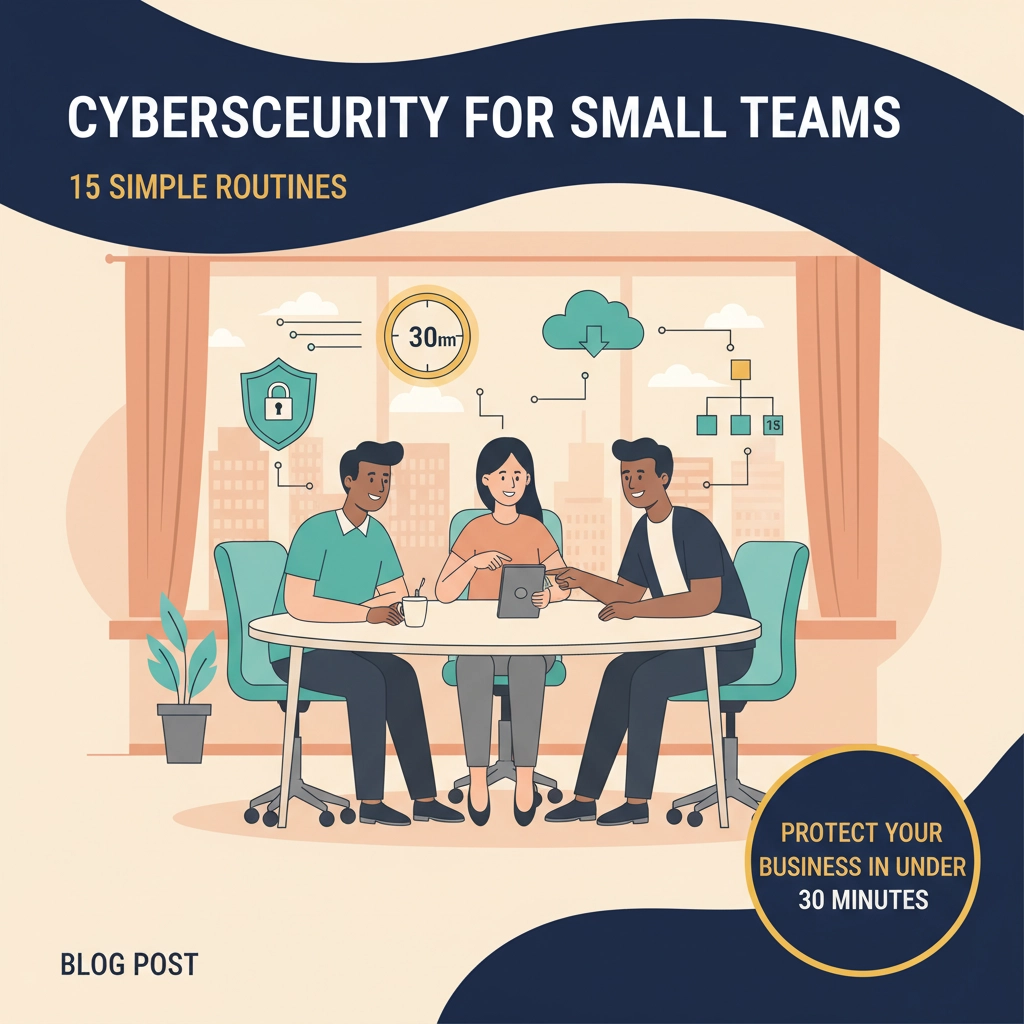
TL;DR: Most cyberattacks on small teams succeed because of simple oversights, not sophisticated hacking, so 15 practical routines that each take 30 minutes or less can dramatically cut your risk. This guide from Scottship Solutions walks through foundation, training, weekly, and monthly security habits, plus when to bring in outside
Get Scottship’s research in your Google results